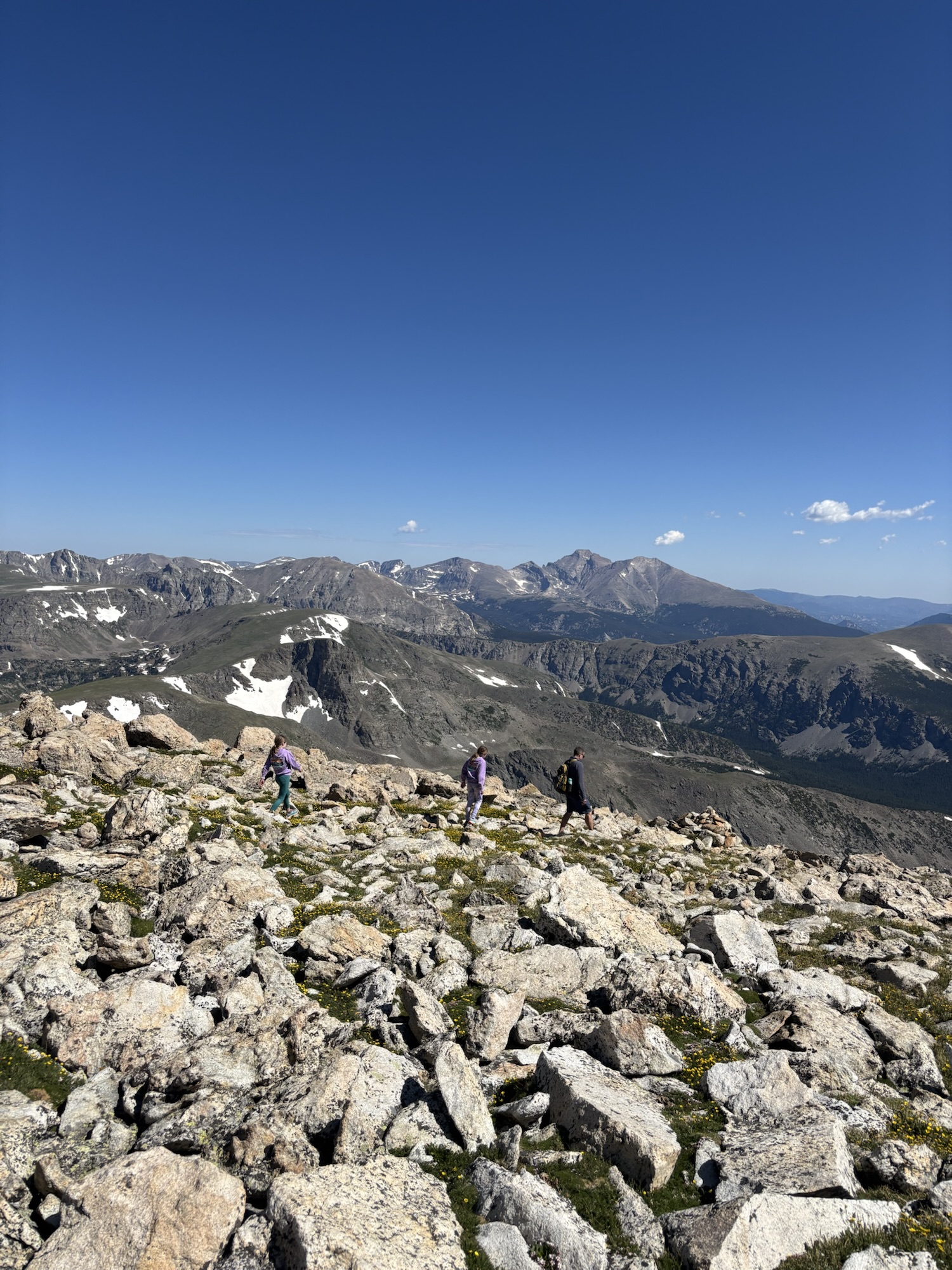
Family Hike to Black Lake in Rocky Mountain National Park

Today there is an afternoon thunderstorm rolling through and I’m attempting to catch up on laundry, but in between loads, I wanted to share about a recent hike our family took to Black Lake in Rocky Mountain National Park in Colorado.

Navigating the Popular Bear Lake Road

The most direct route to Black Lake starts at the Glacier Gorge Trailhead. There is a small parking lot that filled up before we arrived, so we headed further up to Bear Lake and lucked out by finding a spot. These fill up quickly! Another option is parking at the Park and Ride lot and taking the free shuttle. The shuttles start at 6:30 each morning and go through 7:30 pm between May 22nd and October 18th. You can find out more information about the shuttle buses on the park’s website.

Because this hike is located in the most popular area of the park, we had to get a timed-entry + Bear Lake Road reservation through recreation.gov.

Black Lake vs. Sky Pond

There are so many hikes to choose from in the Bear Lake area. We chose Black Lake because we recently hiked up Mount Ida which is a challenging summit hike with sweeping views. The hike to Mount Ida is mostly above tree-line. For our next hike, we craved a contrast. The hike to Black Lake is a moderately difficult hike with a round trip distance of 9.4 miles+ according to our essential guide by Erik Stensland. It features lush forests = more shade, beautiful alpine lakes, wildflowers, and several waterfalls.

Another awesome hike that delivers similar features is Sky Pond. I felt that Black Lake was a safer, slightly easier option to do with our kids. With Sky Pond you are basically climbing on steep, wet rocks and with Black Lake it is much easier to avoid wet rocks (in my experience).

I’ve hiked both hikes with my husband and wrote about our experience in previous posts:

Highlight Hike: Sky Pond in Rocky Mountain National Park

Black Lake Hike in Rocky Mountain National Park

Bear Lake Trail Head
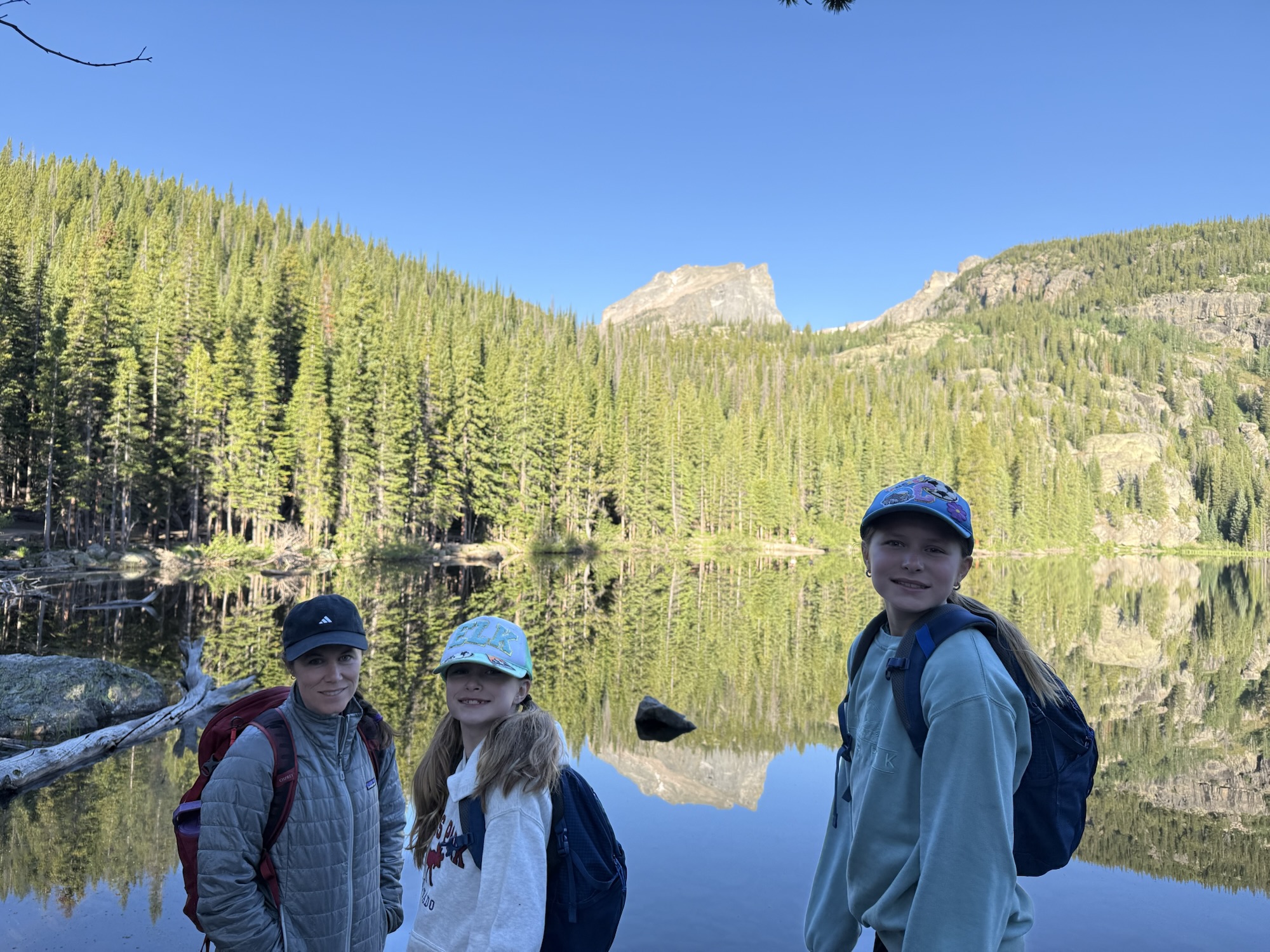
Bear Lake
Bear Lake

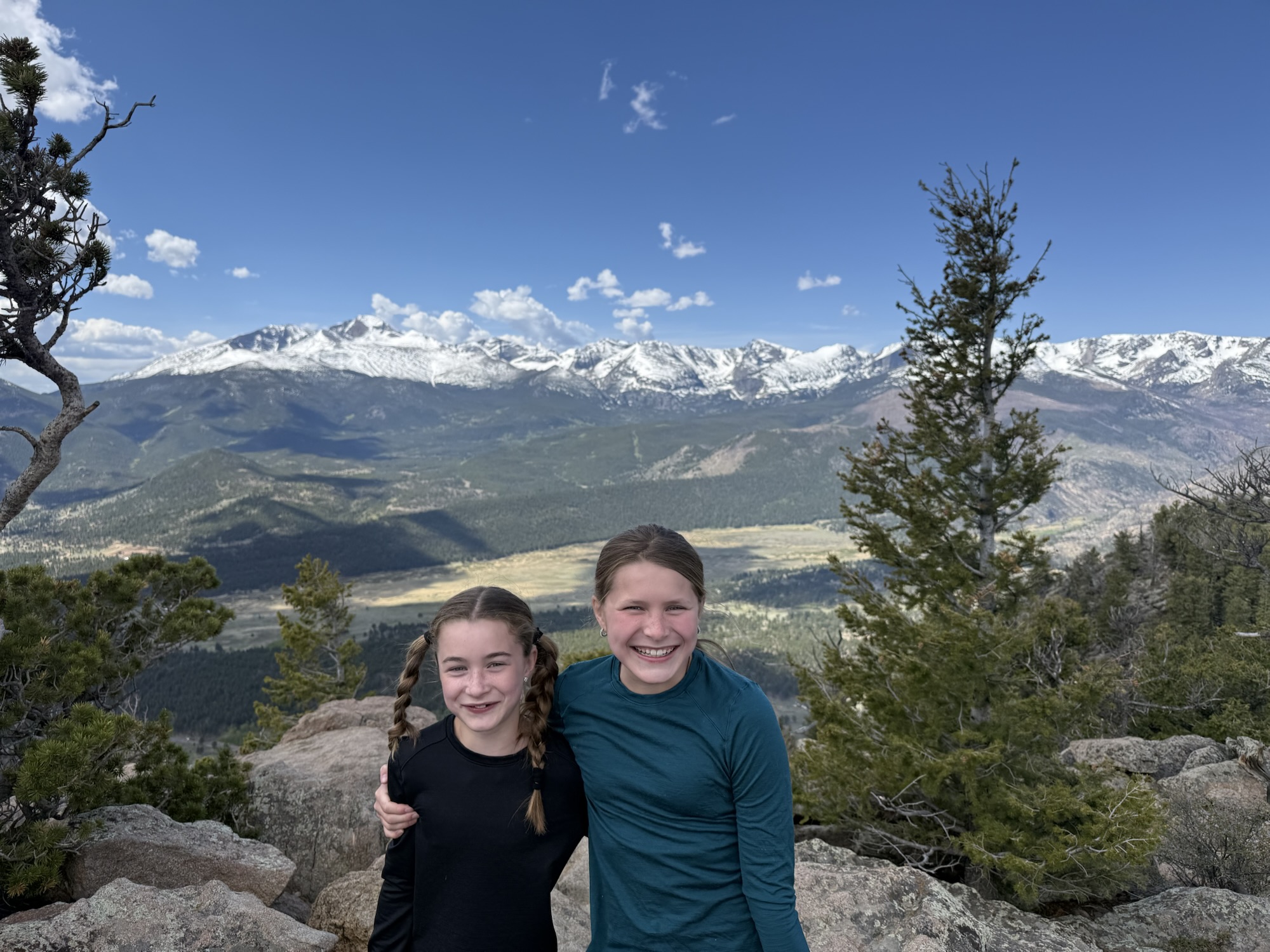
Bear Lake wasn’t technically on our route, but we couldn’t miss an opportunity to take in the view of the alpine lake with Hallett Peak in the background.

Alberta Falls

We retraced our steps and officially started our hike to Black Lake by following signage towards Alberta Falls arriving at 7:31AM with no other visitors in sight.
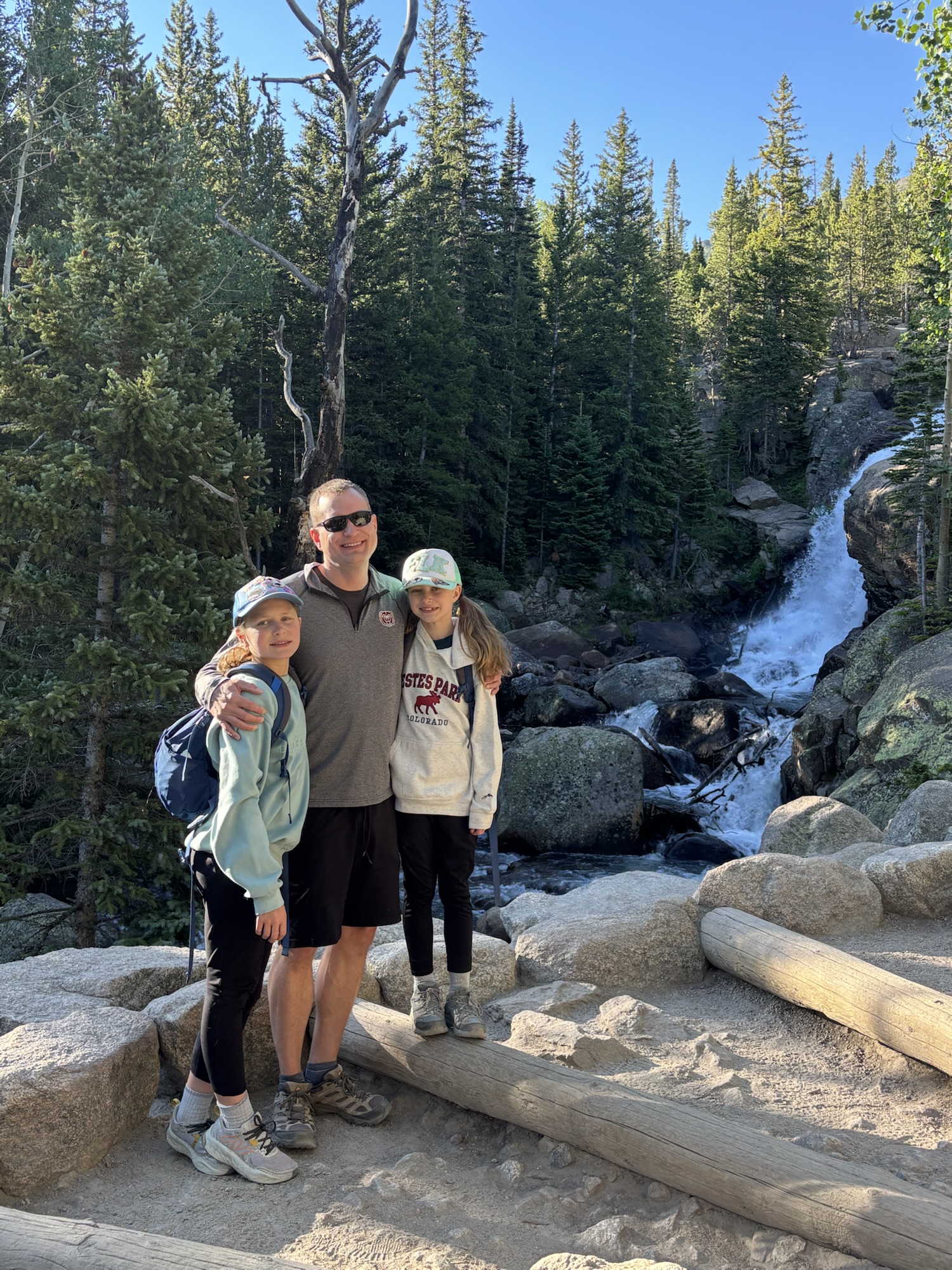
Alberta Falls
Alberta Falls

Mills Lake

The next destination on our hike was Mills Lake which has been a family-favorite for years! On this trip, we enjoyed spotting many trout in the clear waters of the mountain lake.

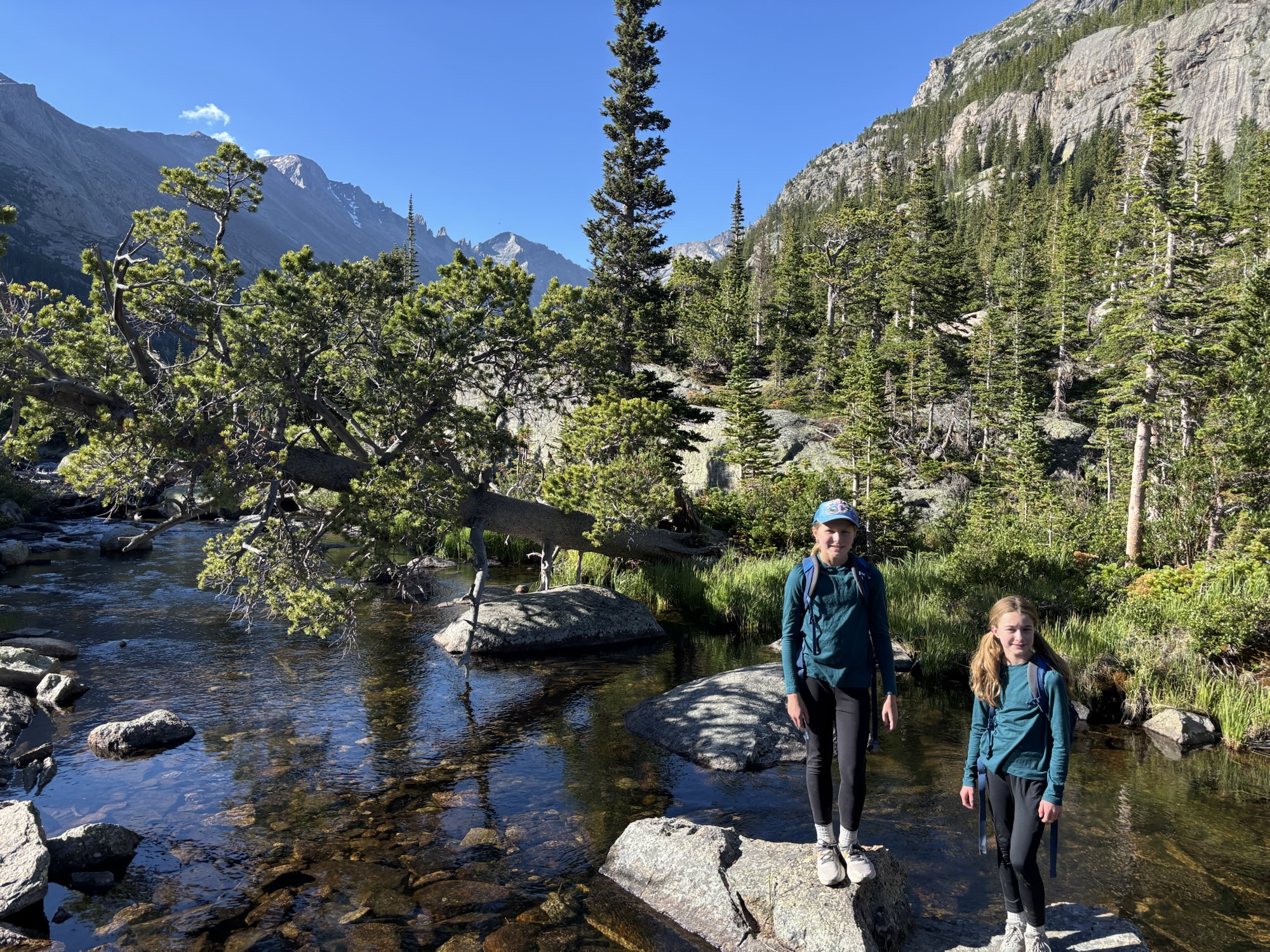
Mills Lake
Mills Lake
Mills Lake

Be Aware of Aggressive Elk

Here we met a helpful local women who told us about an aggressive female elk she recently encountered in the meadow near Black Lake. ‘Elk calves are born from late May into June,’ according to the National Park Service, ‘Cows are extremely protective of their calves so use caution around elk at this time of year.’

I love the advice from a local expert who says, if you feel like you are giving the elk enough space – double or triple it. (Estes Park Police warn of aggressive cow elk after attack, 9News)

Safety in Numbers: When we are hiking in nature, we are always are on the look out for wild animals. We tell our girls that we have to remain close to each other when hiking. For a variety of safety reasons, kids shouldn’t be running ahead on trails.

Jewel Lake

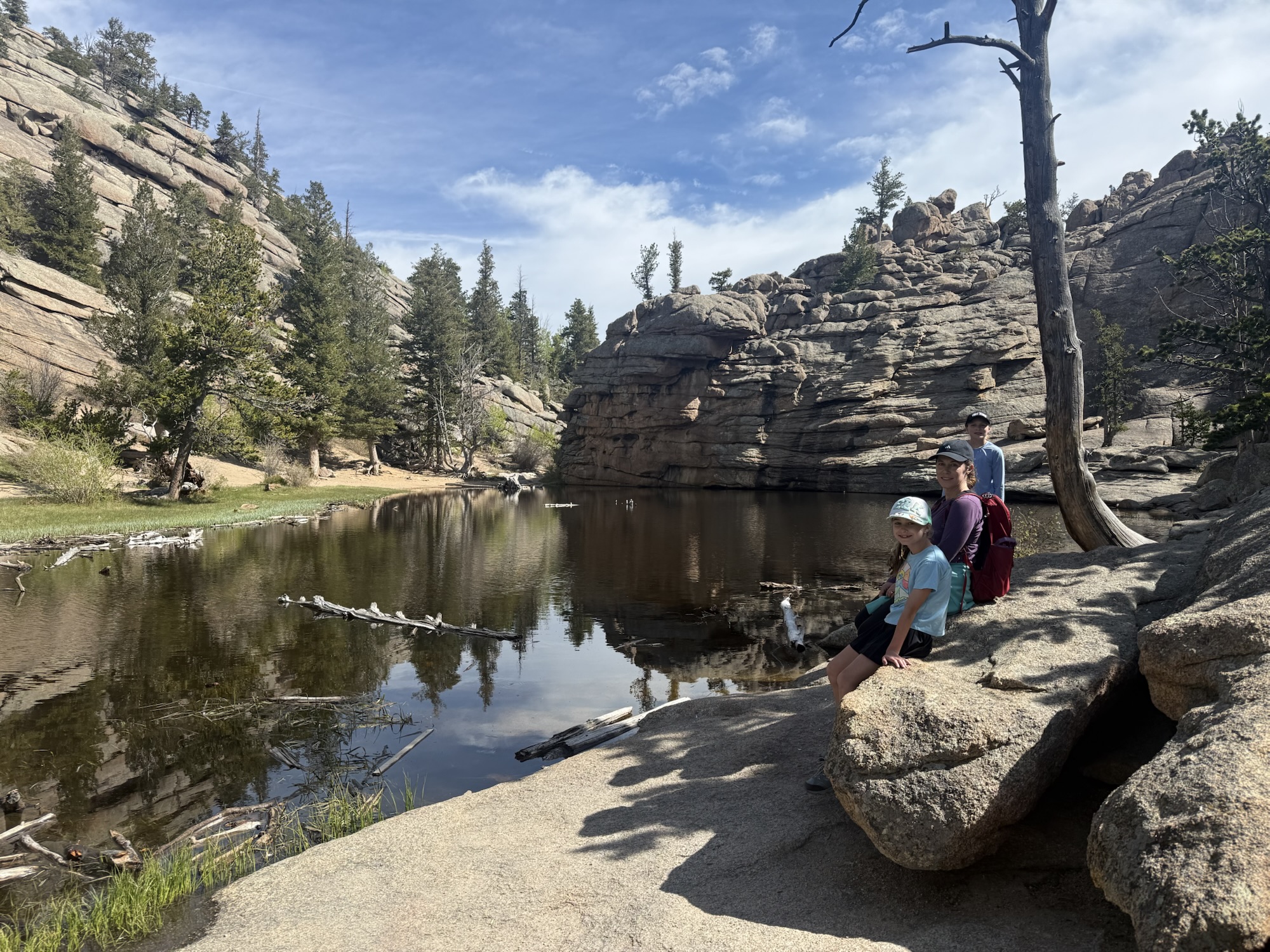
After eating snacks and taking in the views from Mills Lake, we continued along the trail until we reached Jewel Lake which can be easy to miss because it seems to flow right into Mills. The views from this peaceful spot were incredible.
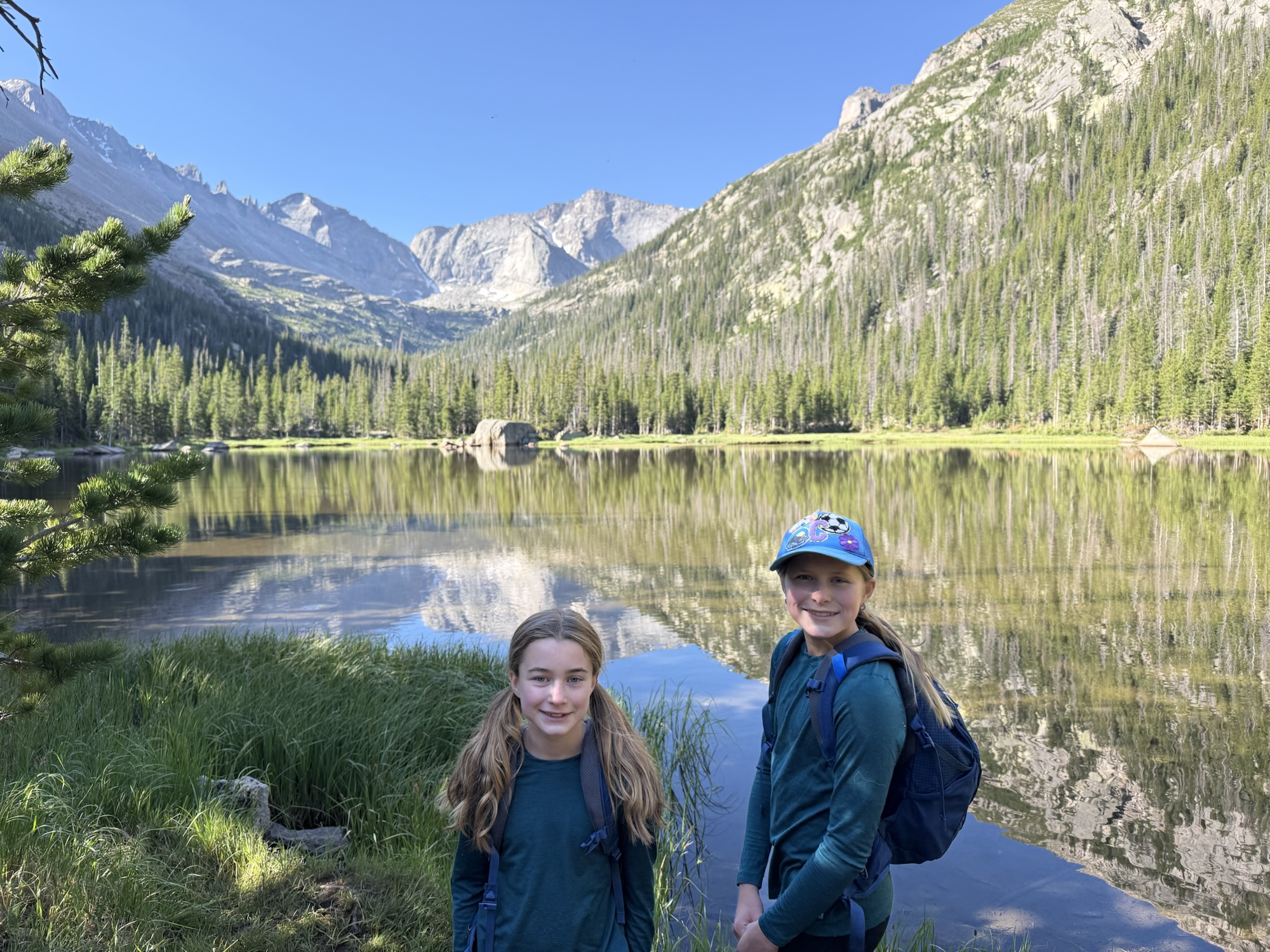
Jewel Lake
Jewel Lake

Wildflowers including columbine dotted the meadow as we continued on the hike. We passed over several wooden walkways. The trail becomes noticeably more rugged after Mills Lake. I tripped over a root on my way back down the trail, but thankfully I caught myself.
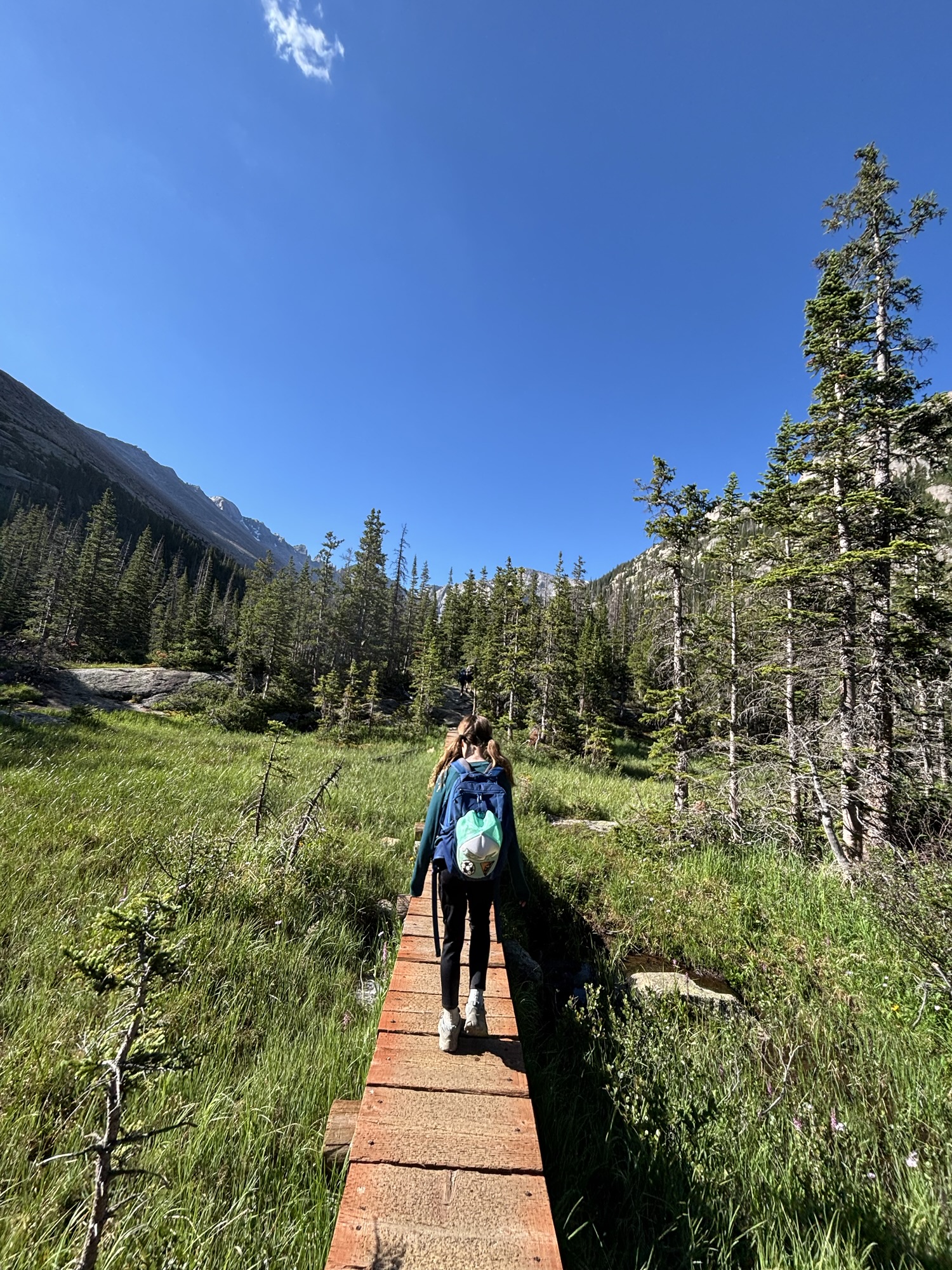
Hike up to Black Lake

Waterfalls

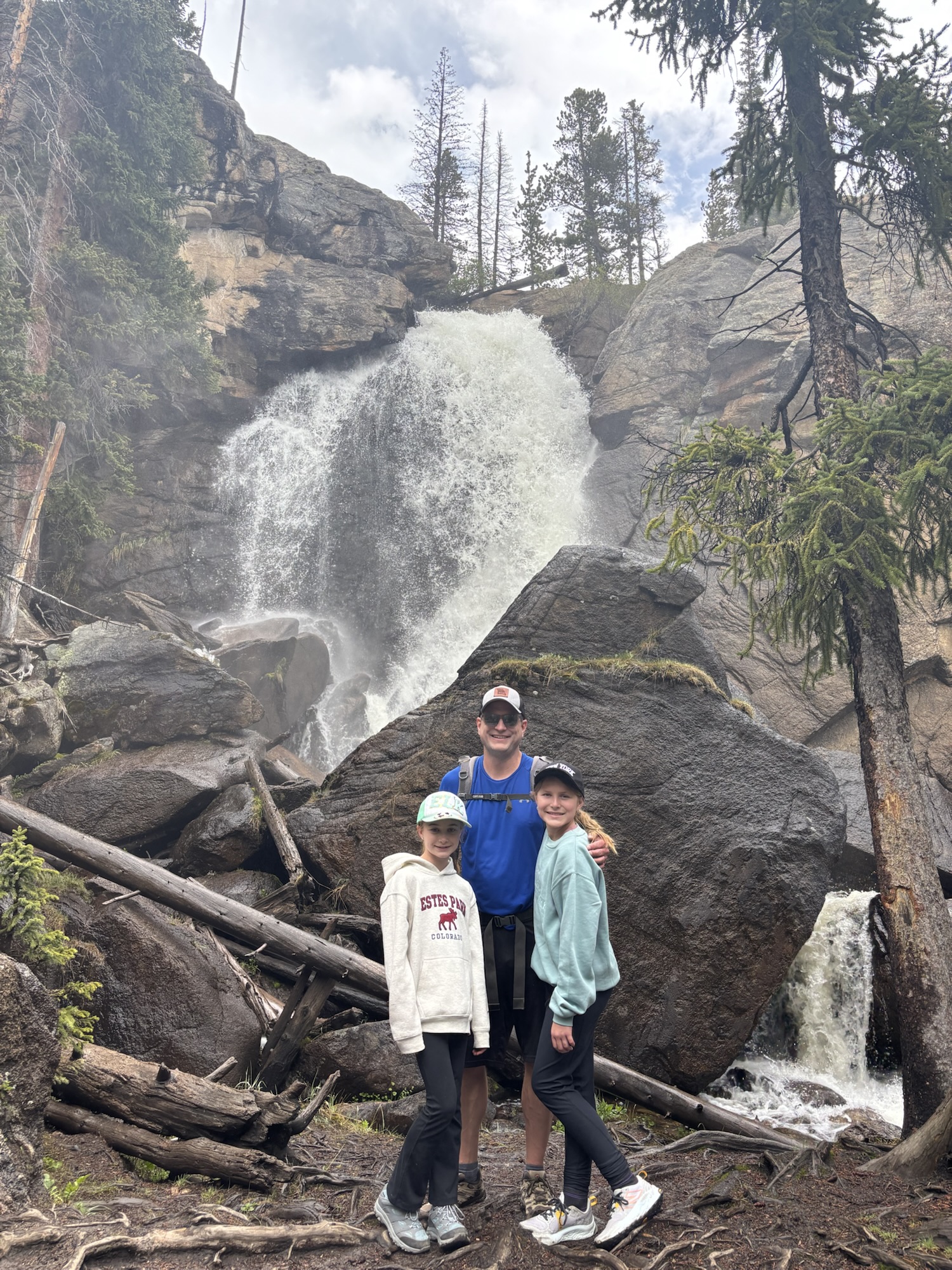
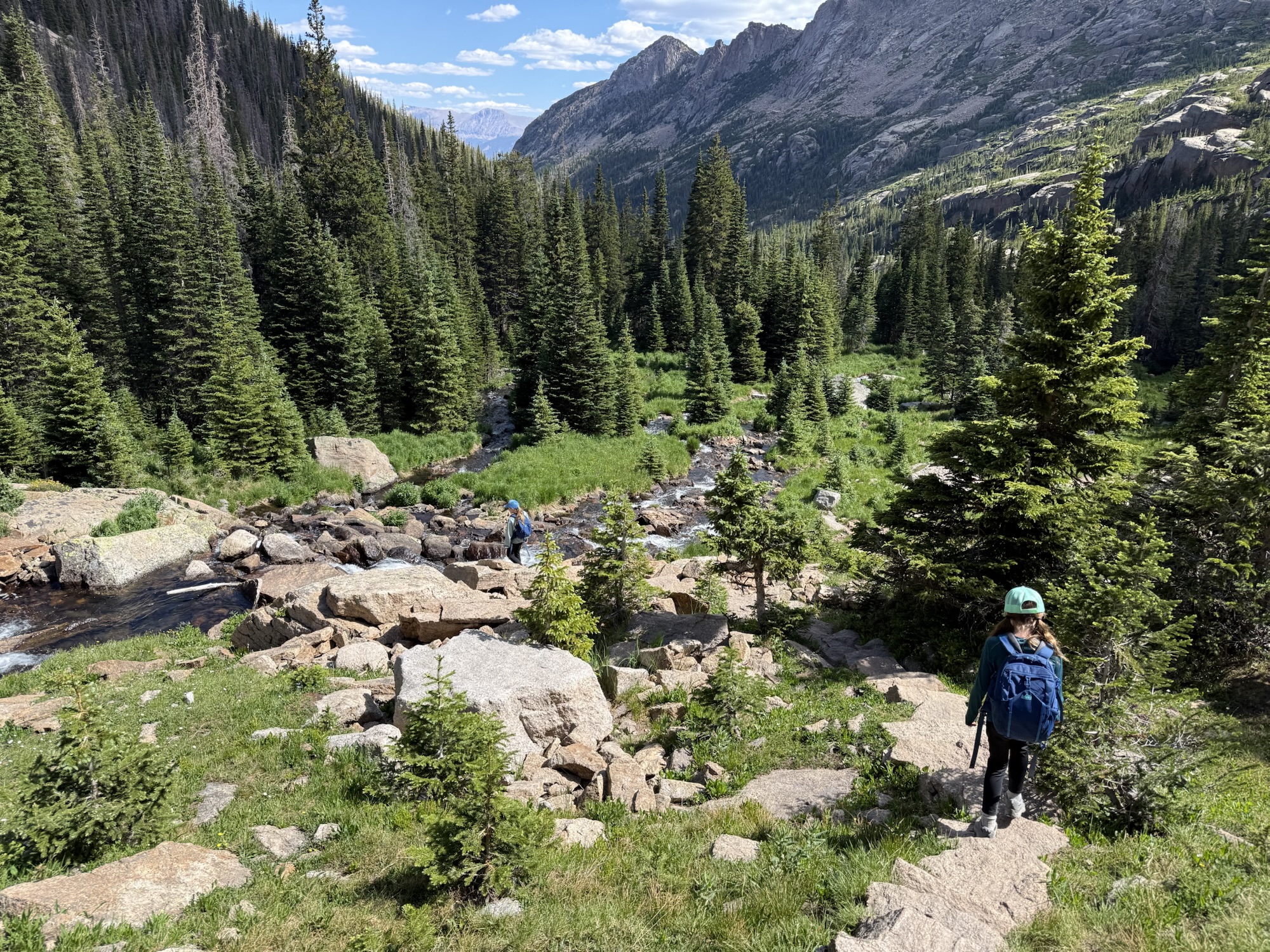
We walked alongside waterfalls as we approached Black Lake. For me, this is a highlight of this hike.
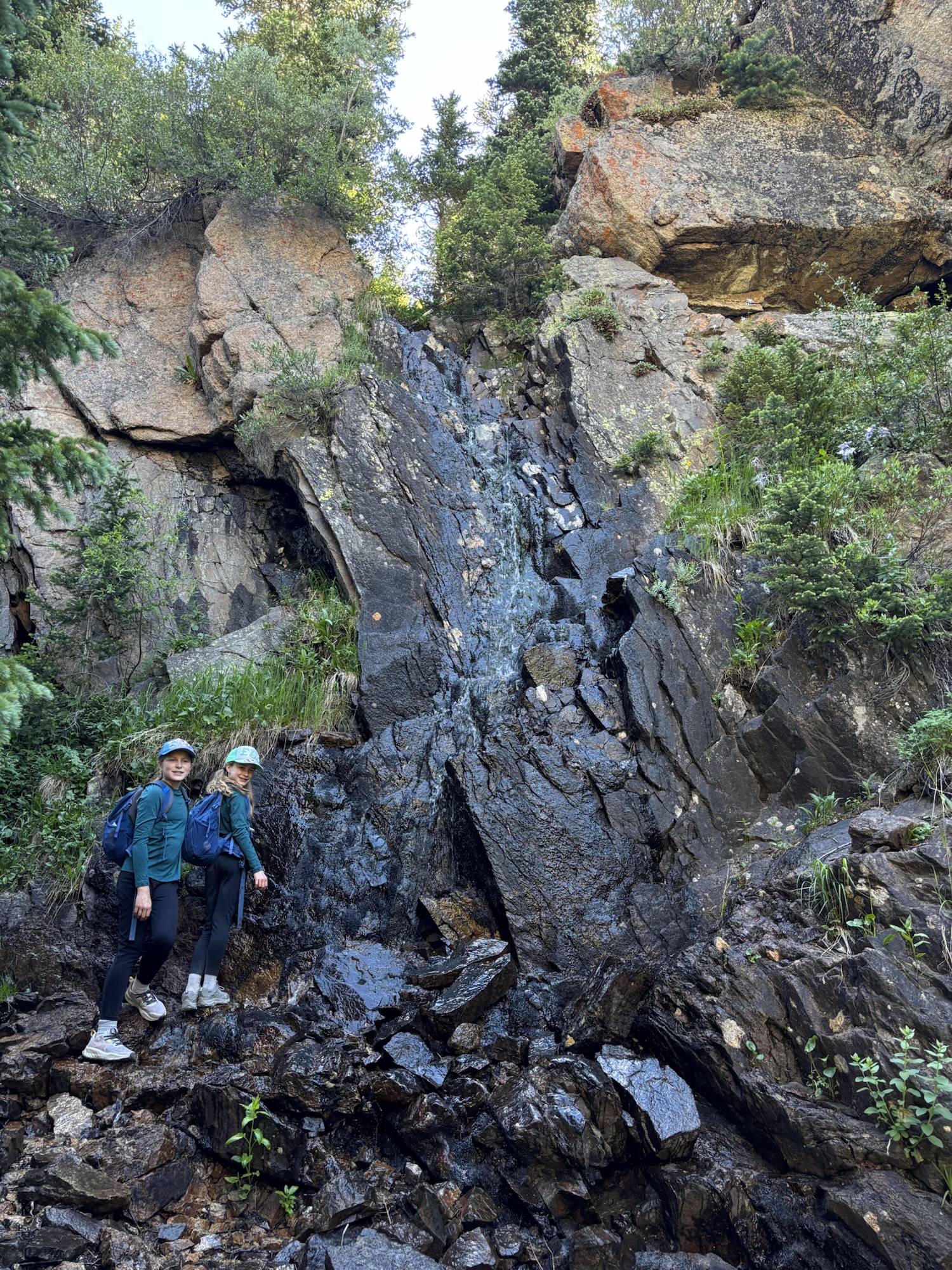
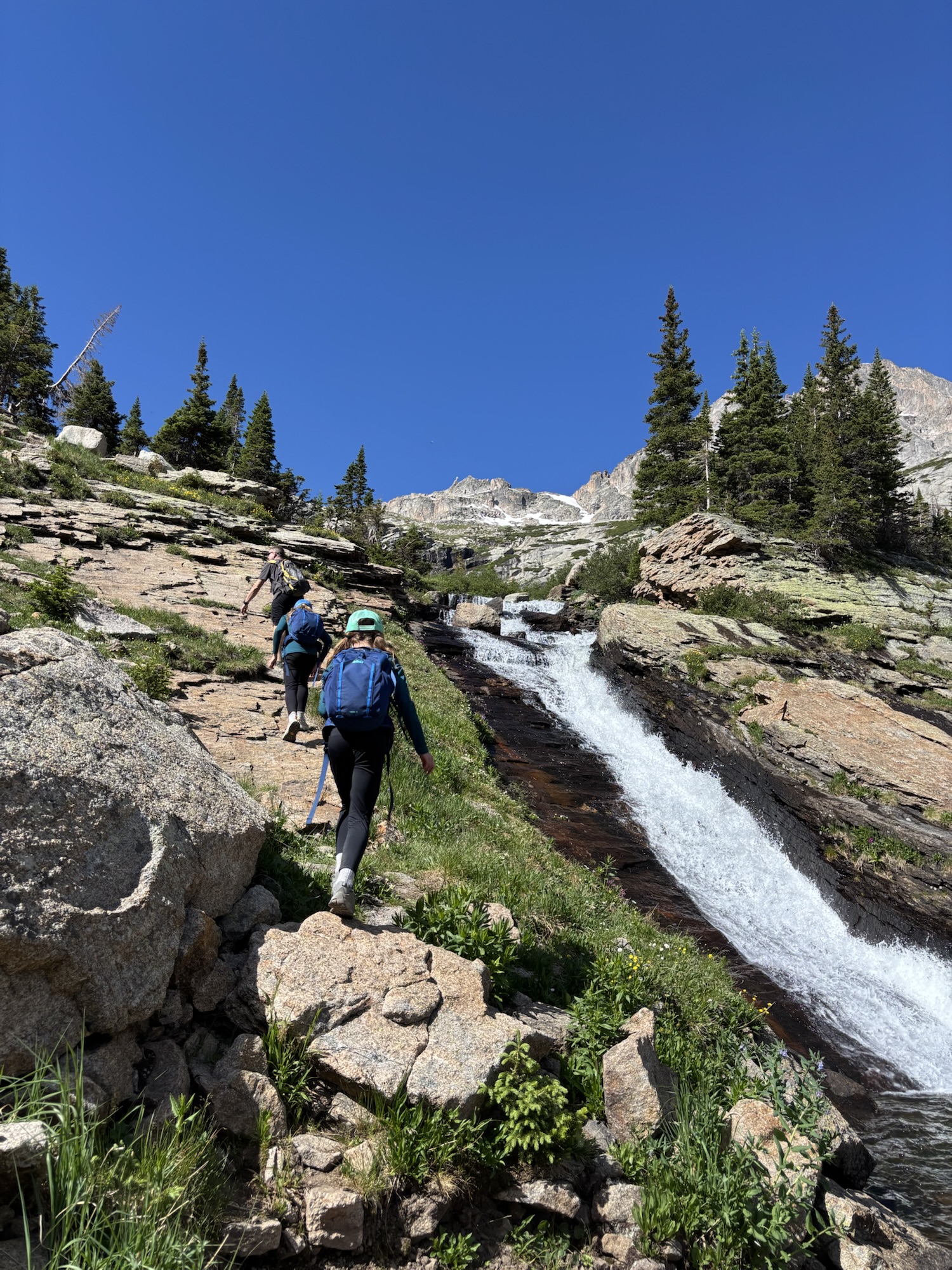
hike up to black lake in rmnp
Hike up to Black Lake in RMNP
Waterfall near Black Lake
Ribbon Falls
Ribbon Falls

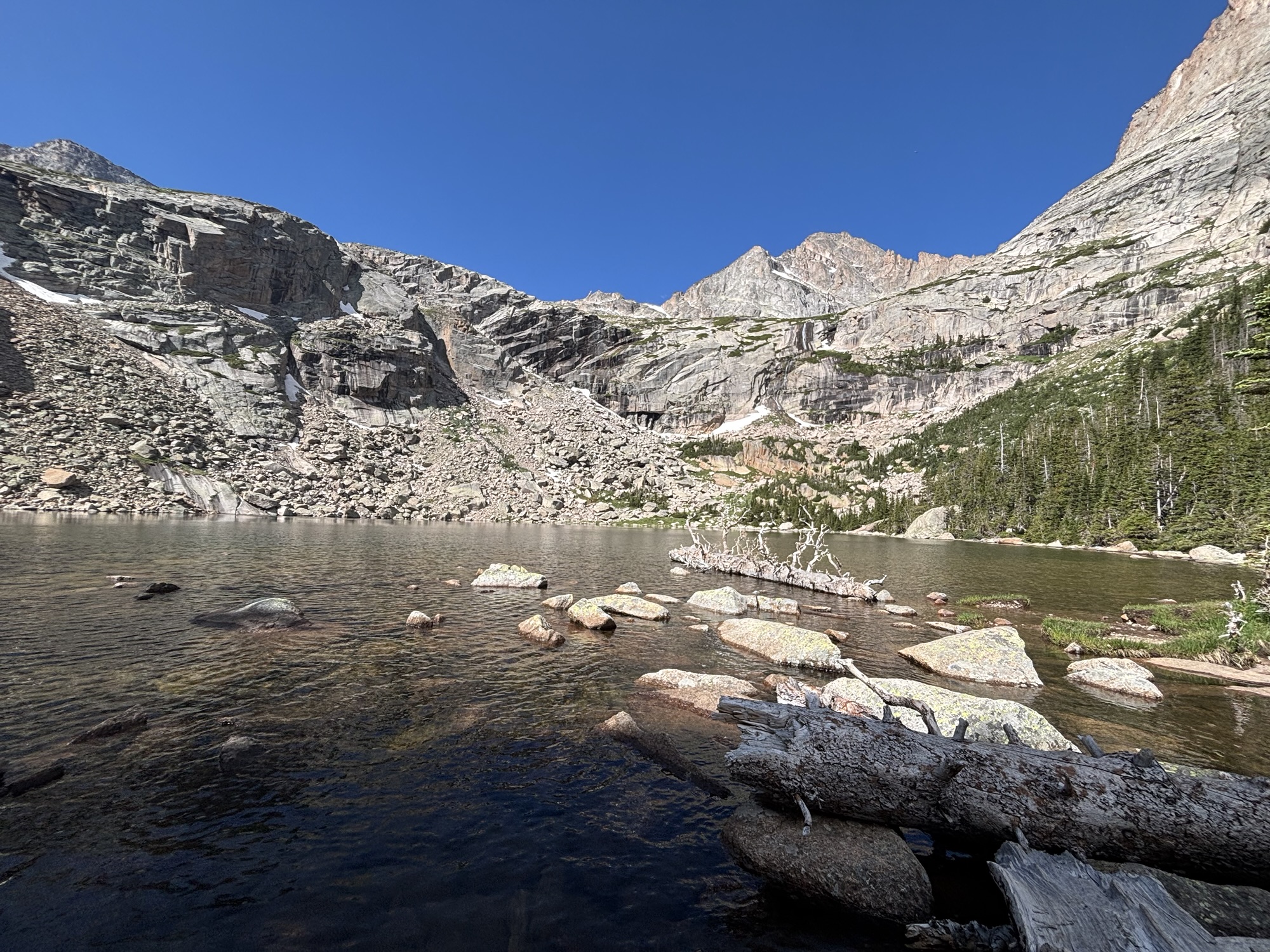
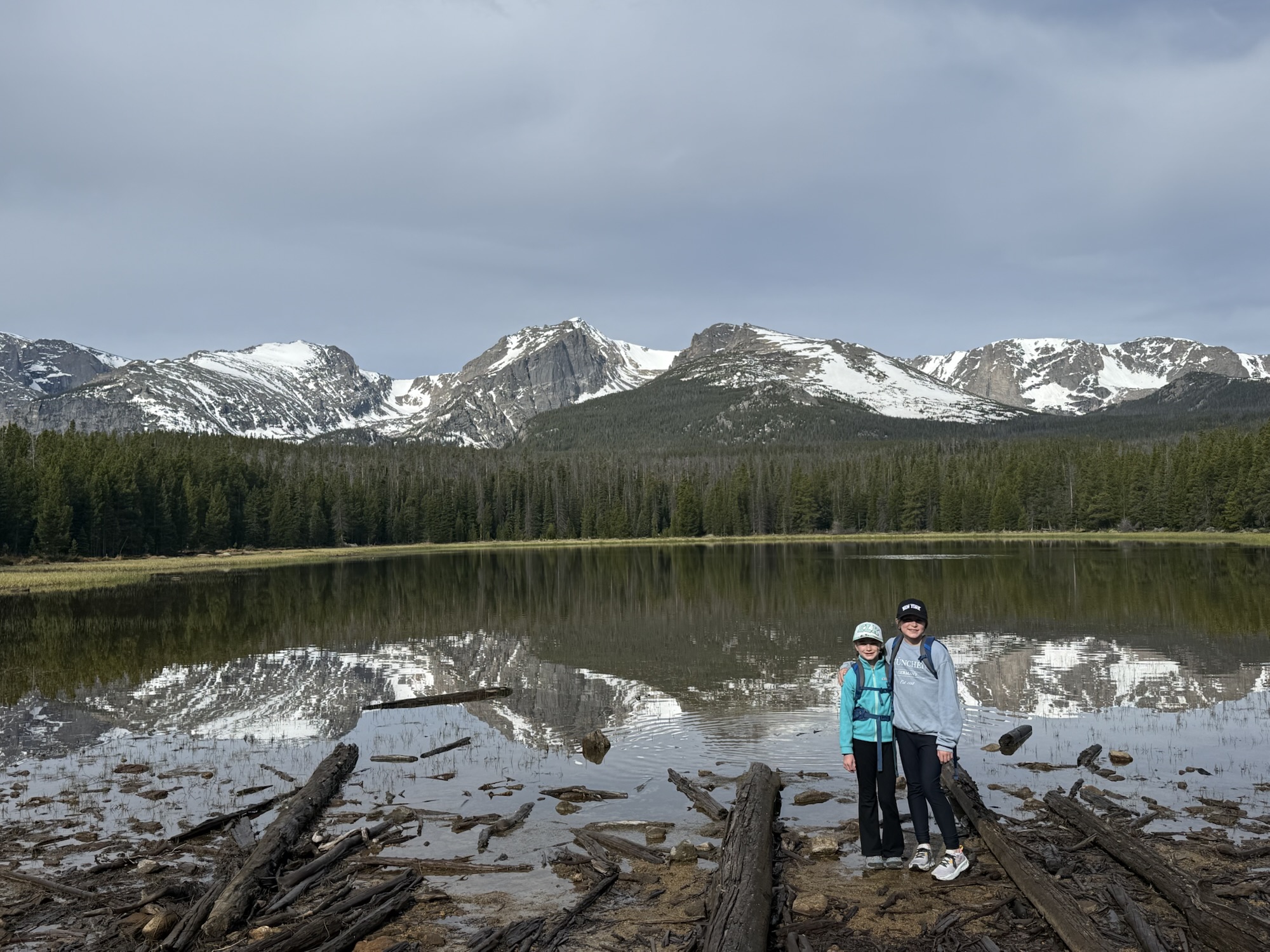
Black Lake

Black Lake
Black Lake

At 10:00AM (after several stops along the way) we reached our destination. We were lucky to arrive on a beautiful, clear morning with few pesky mosquitos due to a crisp, light breeze. The elevation is 10,611 feet.

Return Hike

I already mentioned tripping on my way back down the trail, so keep an eye out for rocks and roots as you go down. This can be difficult when surrounded by beautiful scenery. I’m easily distracted by cute chipmunks, wildflowers, and sweeping views.
5 Top Takeaways for Hiking to Black Lake

  1. Get a timed entry permit that includes access to Bear Lake Road. Have this out and ready along with your national park pass and ID when you arrive at the park entrance.
  2. Arrive during your designated window – preferably an early morning window that will allow you time to arrive at Black Lake before afternoon storms which are common.
  3. Wear sunscreen and insect repellant along with comfortable hiking shoes to help with rocky terrain. Bring lots of water and snacks. Wear layers.
  4. Choose this hike after you are acclimated to the high elevation. Even though it is rated at moderate, I was huffing and puffing up the steep hills.
  5. Respect wildlife by keeping your distance. Mama elk can be fierce!

Getting the Kids’ Opinions

Finally, I wanted to share my daughters’ review of this hike. I asked them a few questions and this is what they have to say:

What was your favorite part about the hike to Black Lake?

The waterfall and playing around on rocks near Mills Lake

What was your least favorite part about the hike to Black Lake?

The rocky way back. There were a lot of annoying tree branches and it was busy (on the trail).

Would you say the hike was worth it? Do you mind getting up early or hiking nearly 10 miles?

It was worth it, you just need to know what you are in for.

What hike do you want to do next?

Flattop Mountain or Chasm Lake
Guide to Hiking Mount Ida: What You Need to Know

My puppy, Luna, woke me up before the sun, so this morning as I sip my much-needed coffee, I want to share about our most recent hike up Mount Ida in Rocky Mountain National Park, Colorado with you.

Rocky Mountain National Park

You can skip this section if you are already knowledgeable about RMNP, but for the first-time traveler, or the “I haven’t been here in 10 years” couple, Rocky Mountain National Park is located about an hour and a half from Denver, Colorado. You can expect big mountain views and to see wildlife including elk, deer, and even moose. You can also expect crowds, especially during the peak summer and autumn seasons. National Park passes are required to gain entry into the park. Timed-entry permits are also required for certain times and areas of the park like the popular Bear Lake Road.

Click here for more information about Fees and Passes for Rocky Mountain National Park.

The Best Hike in Rocky Mountain National Park

What is the best hike in Rocky Mountain National Park? My husband informed me that Mt. Ida was rated 4.9 out of 5 stars on the All Trails app, which probably makes this hike one of the best for many people. After our experience yesterday, I can see why. The panoramic views at the top make the nearly 10 mile round-trip trek worth it. We also noticed that the hike was much less crowded than other hikes we’ve enjoyed. There are also real challenges with this hike which would make it less than ideal for some hikers. I’ll explain those challenges in this post too.

The “Great Divide”

When we visit Rocky Mountain National Park, we stay in Estes Park, Colorado. The hike to Mt. Ida begins at Milner Pass, so we drove up and over Trail Ridge Road to get to the trailhead. We left our house right at 7am and drove 50 minutes to the trailhead via the Fall River park entrance. We were lucky to find a spot, (usually we would aim to leave by 6am). With an early start, we didn’t need to procure a timed-entry permit nor did we have a long line at the park entrance.

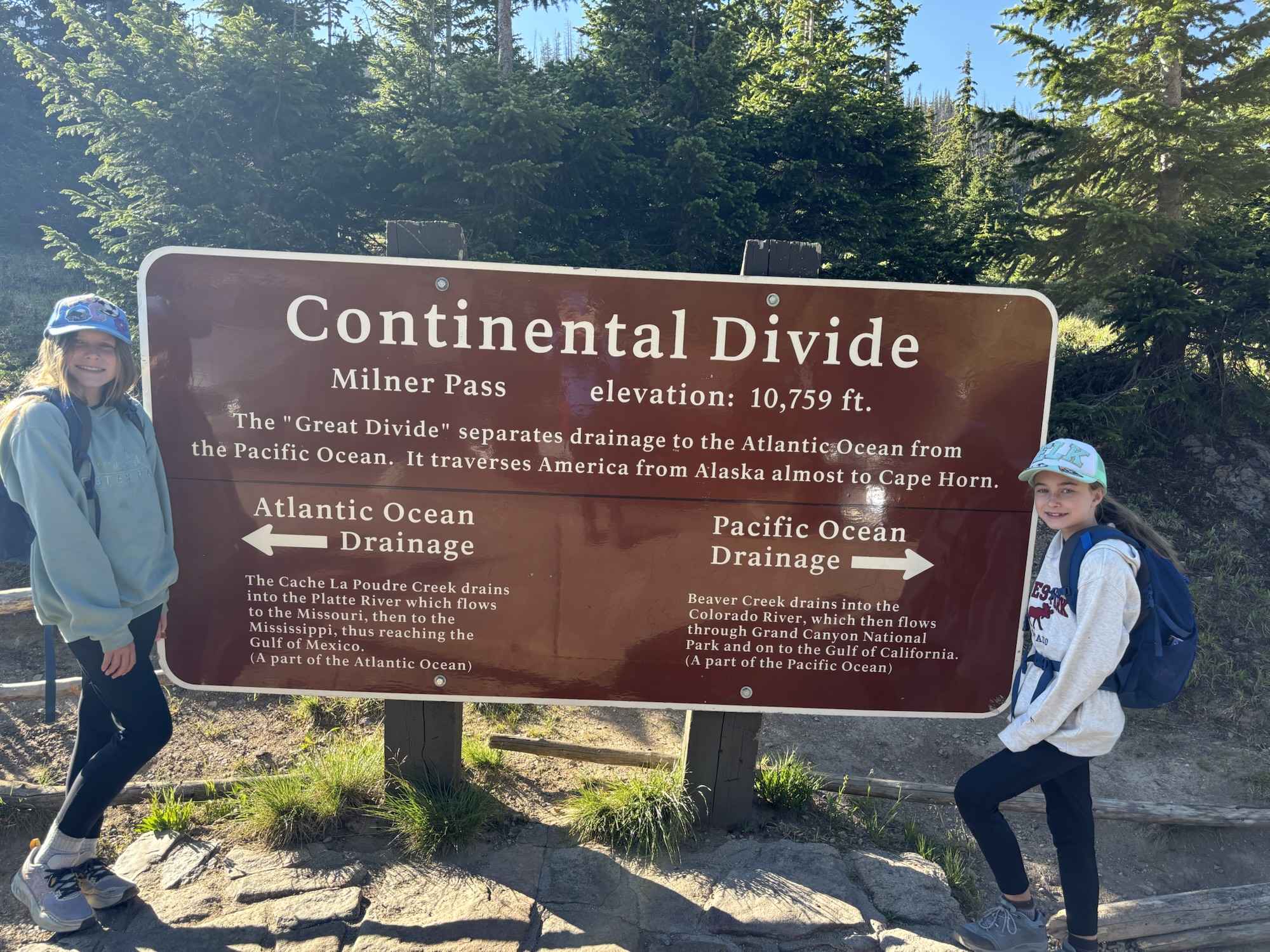
Milner Pass marks the Continental Divide, also known as the “Great Divide”, which according to park signage is the point where water drainage separates to eventually travel to the Atlantic Ocean and the Pacific Ocean.

Tip: Take advantage of the bathrooms near the parking lot before heading up on the tundra.

Continental Divide in Rocky Mountain National Park

Hiking the Ute Trail

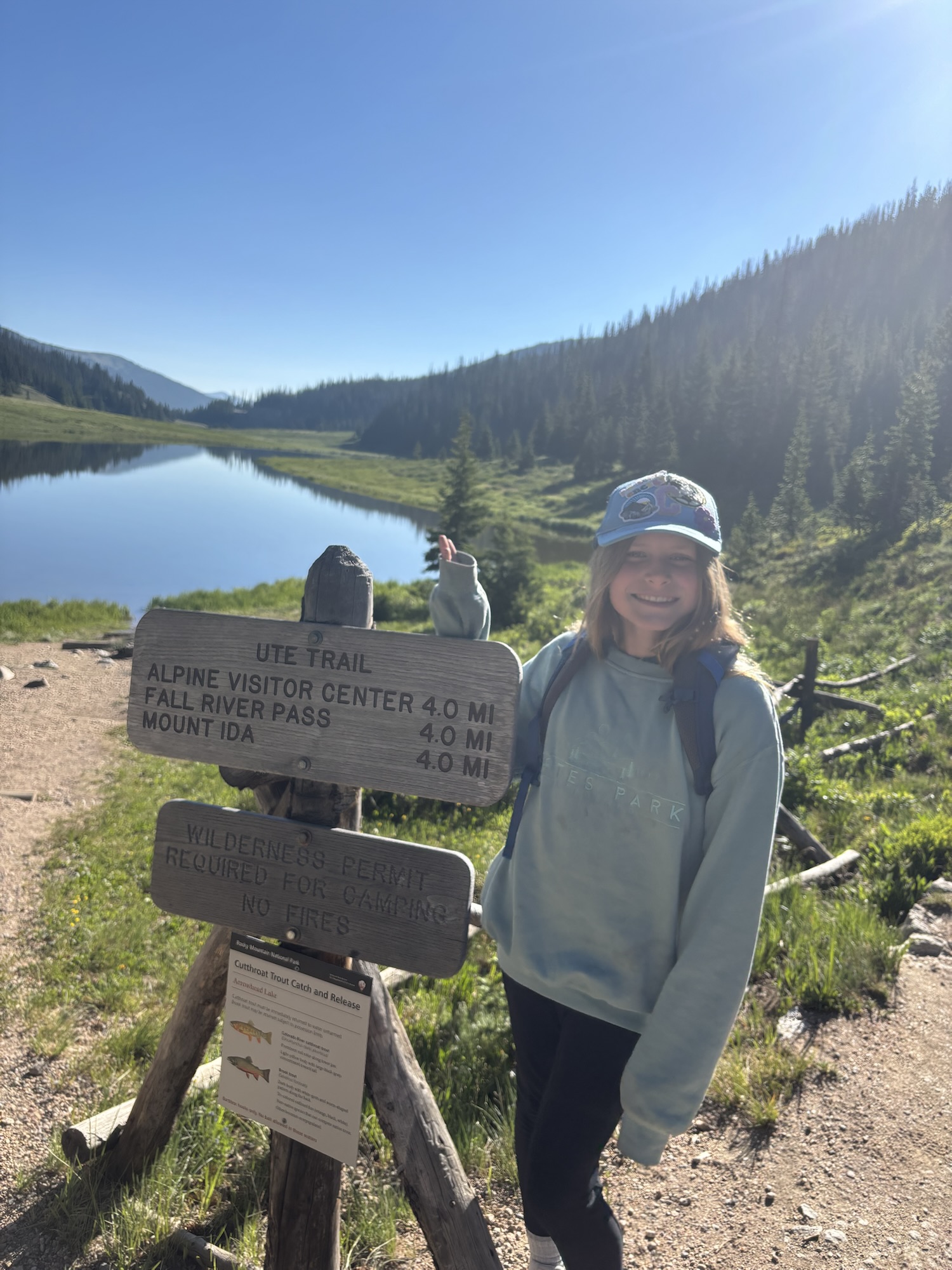
Poudre Lake
Poudre Lake

Next to the parking lot, you will see beautiful Poudre Lake and signage for the Ute Trail. You can follow the Ute Trail up to the Alpine Visitor Center or depart from it to Mount Ida. At Poudre Lake the air feels crisp and thin. This hike begins at 10,755 ft of elevation. Because of the high starting elevation, I would not recommend this hike to anyone as a first-day hike. It’s better to start with shorter, lower elevation hikes to acclimate.

Want recommendations for lower-elevation hikes? Here is a list from a previous post: Lower Elevation Hikes in Rocky Mountain National Park.

Hiking to Mount Ida
Hiking to Mount Ida

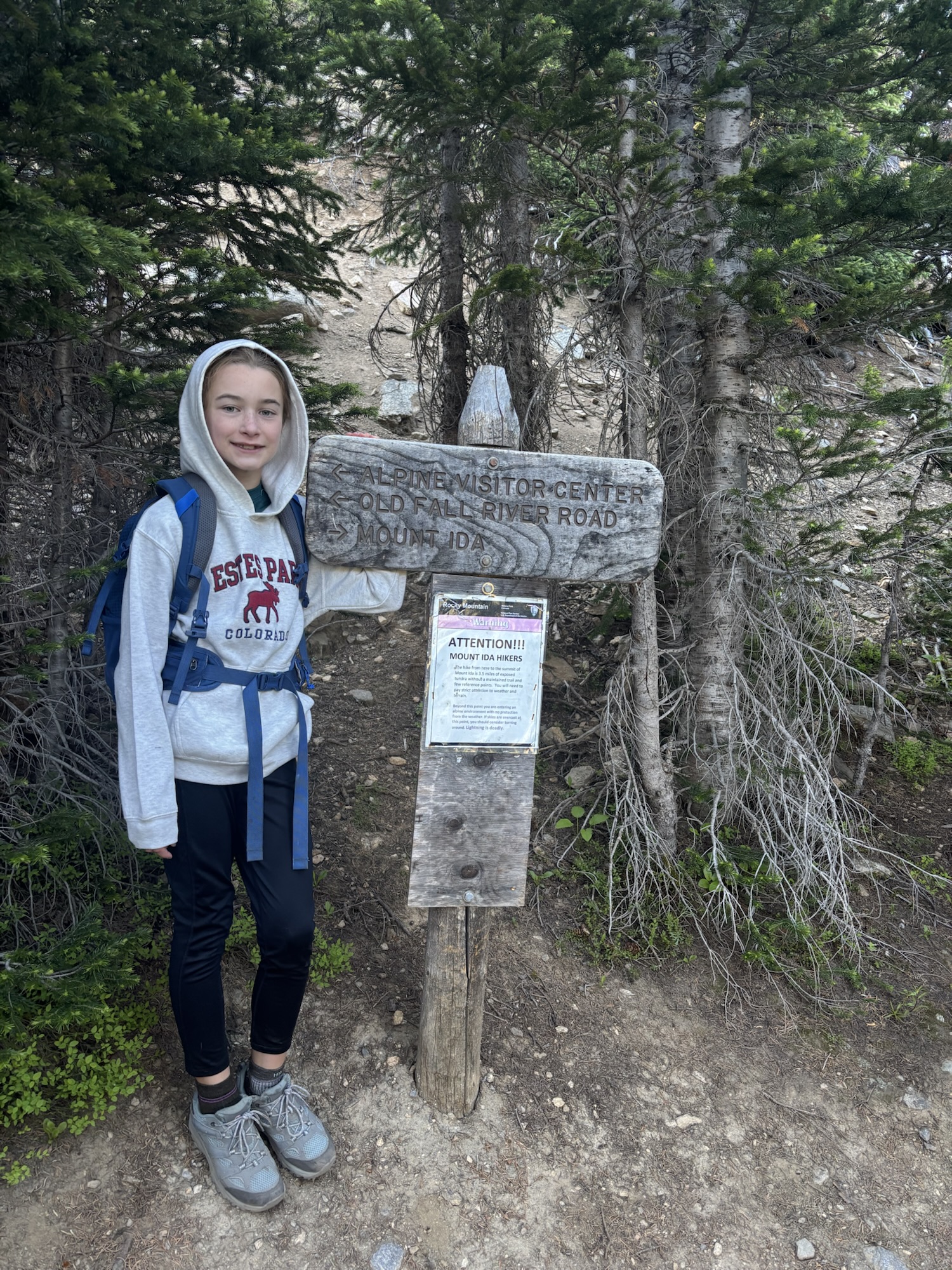
The first mile or so winds steadily up hill through forest before the trail splits. Signage points to the Alpine Visitor Center or Mount Ida. This is the last official National Park sign you will see along the trail. We veered right to follow the trail leading up to Mount Ida after noting the warning that much of the trail is above tree-line. The tundra can be windy, sunny, cold, and dangerous in a lightning storm.

We packed extra gear including rain coats, warm hats, water, and sunscreen to help with the conditions. We also paid attention to the weather. We lucked out with a sunny and mostly clear morning.

Hiking to Mount Ida
Hiking Mount Ida in Rocky Mountain Park

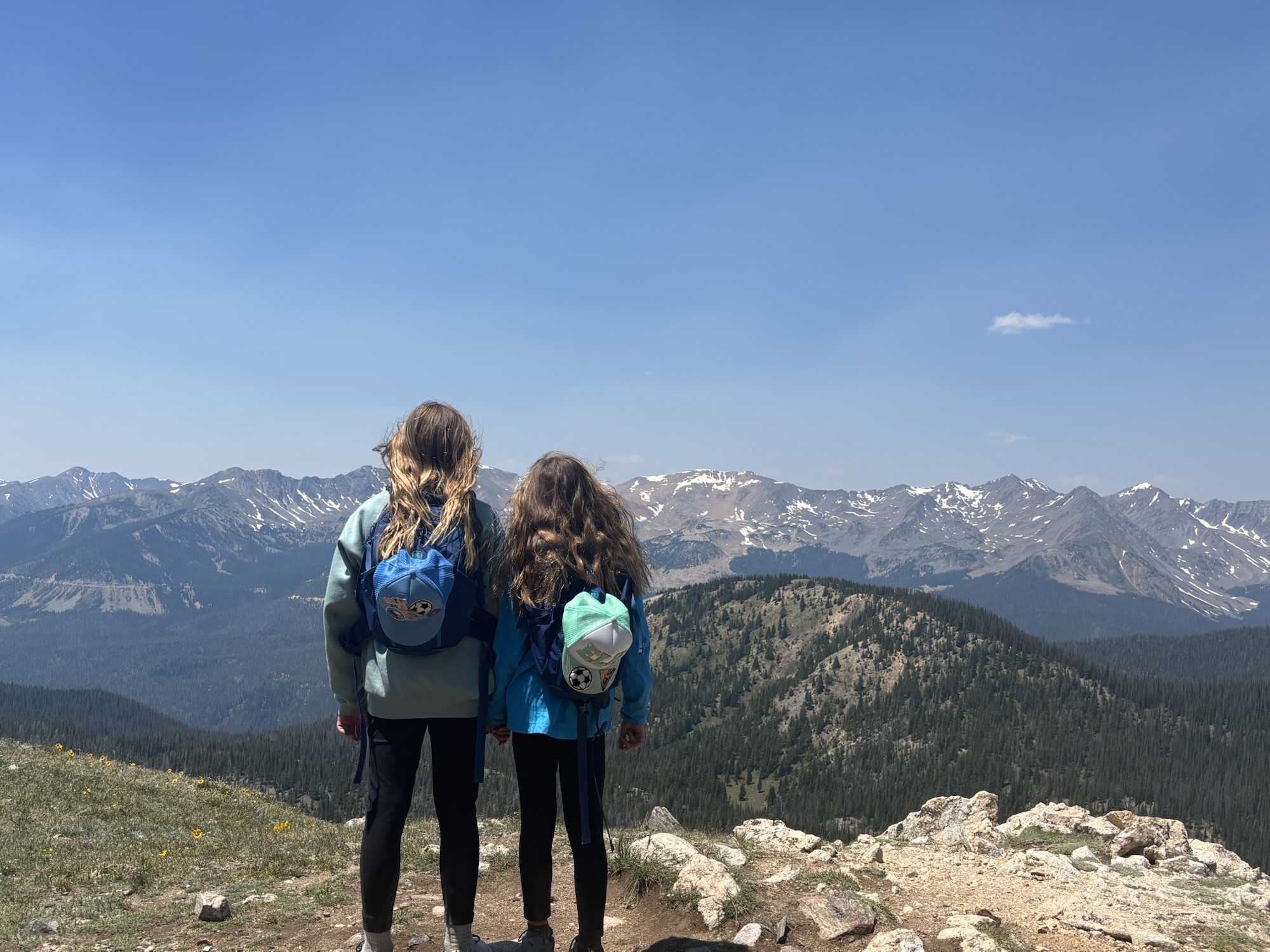
We’ve been taking our girls hiking in the mountains each summer since they were infants. It hasn’t always been easy, but now that they are 11 and 9-years-old, they are leading the way on our hikes with energy and enthusiasm. It’s getting harder for me to keep up!

Mount Ida Rocky Mountain National Park
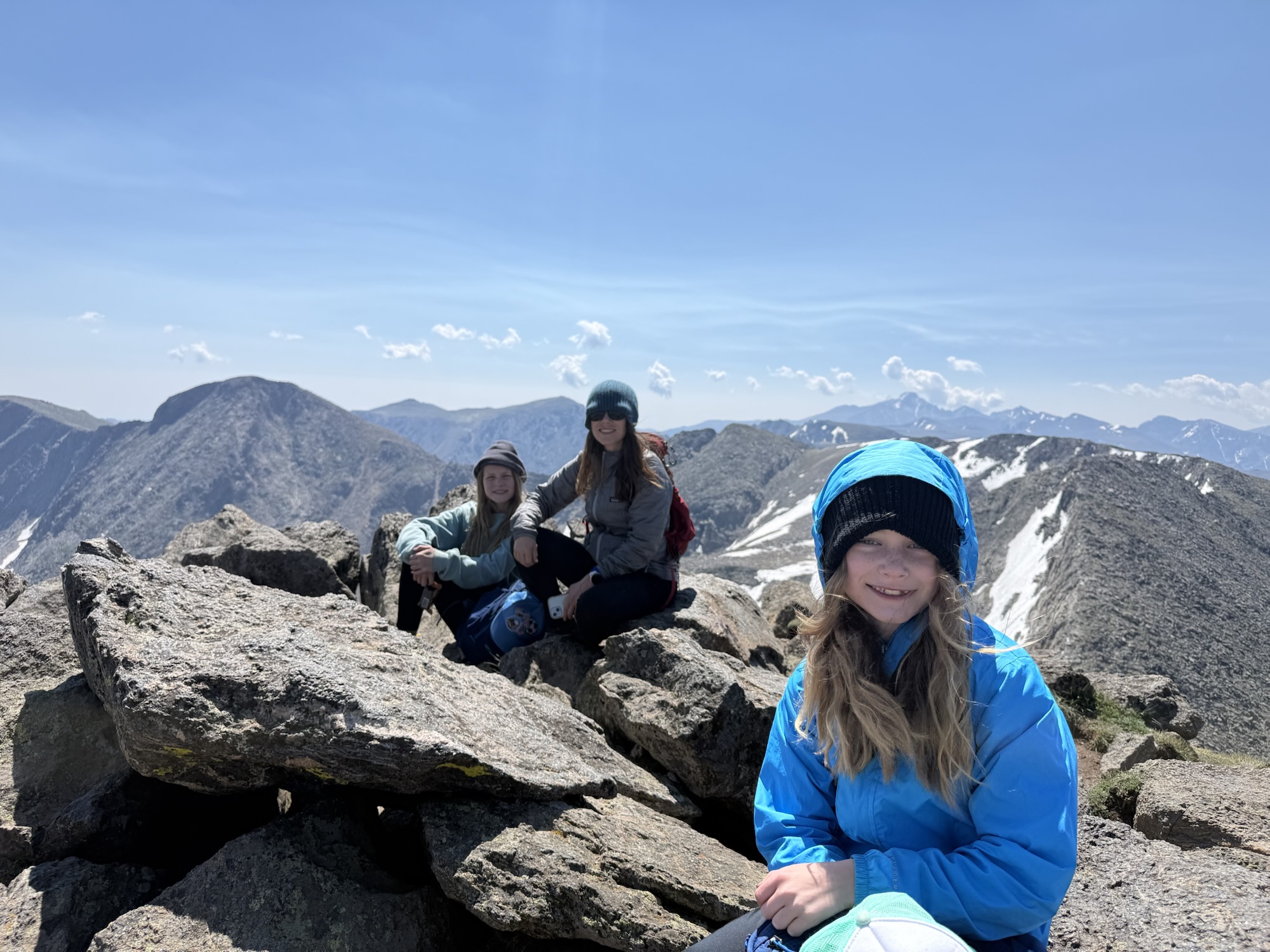
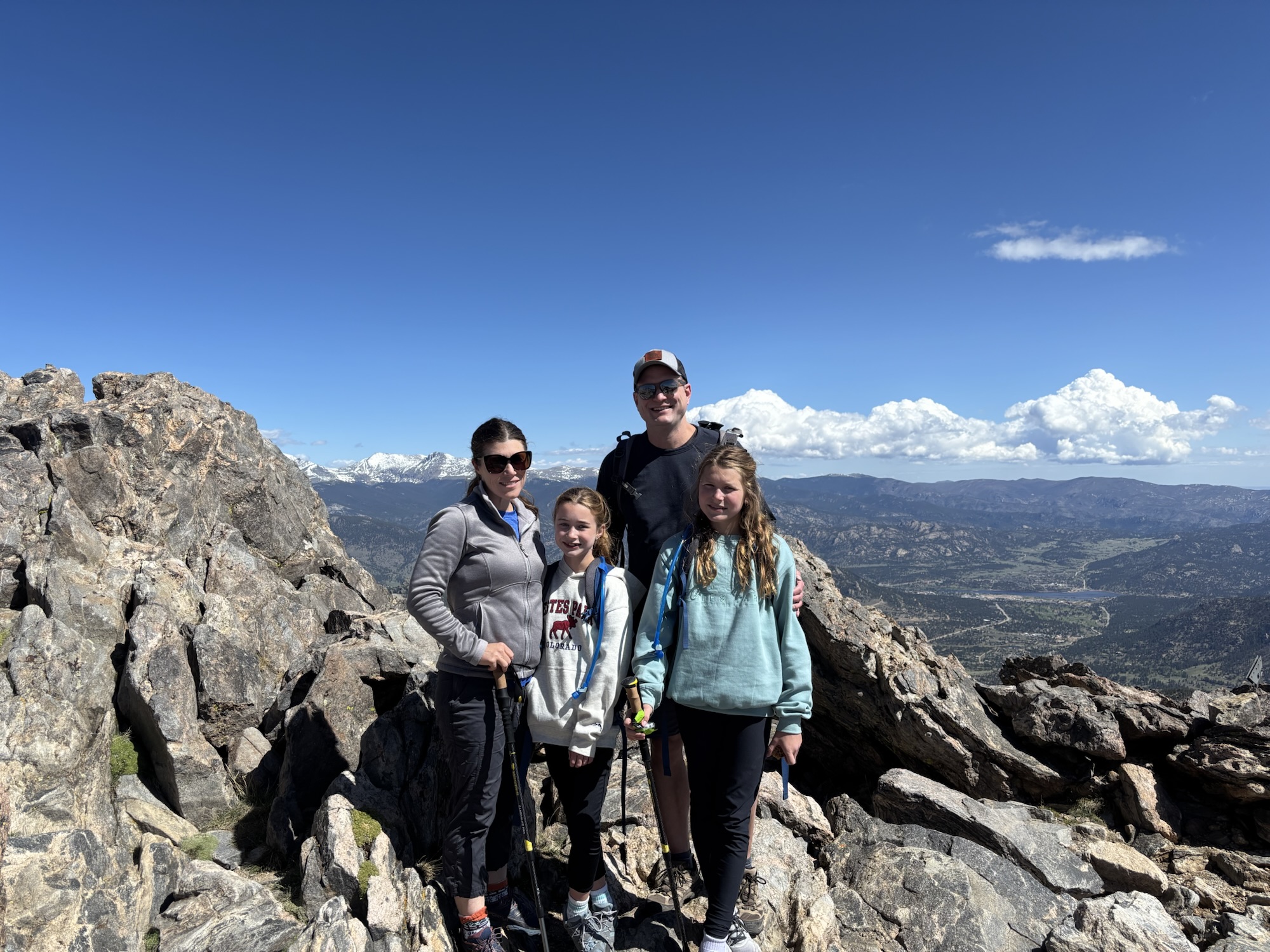
Mount Ida summit

Most of the hike is a distinct, easy to follow trail, but towards the top, there is a bit of a scramble and way-finding. It felt comparable to Twin Sisters Peak which we climbed earlier in the season. This hike gains a total of 2,400 ft in elevation. The summit sits at 12,881 ft.

Want additional details? Check out this helpful post from Colorado Mountain Club or on RockyMountainHikingTrails.com.

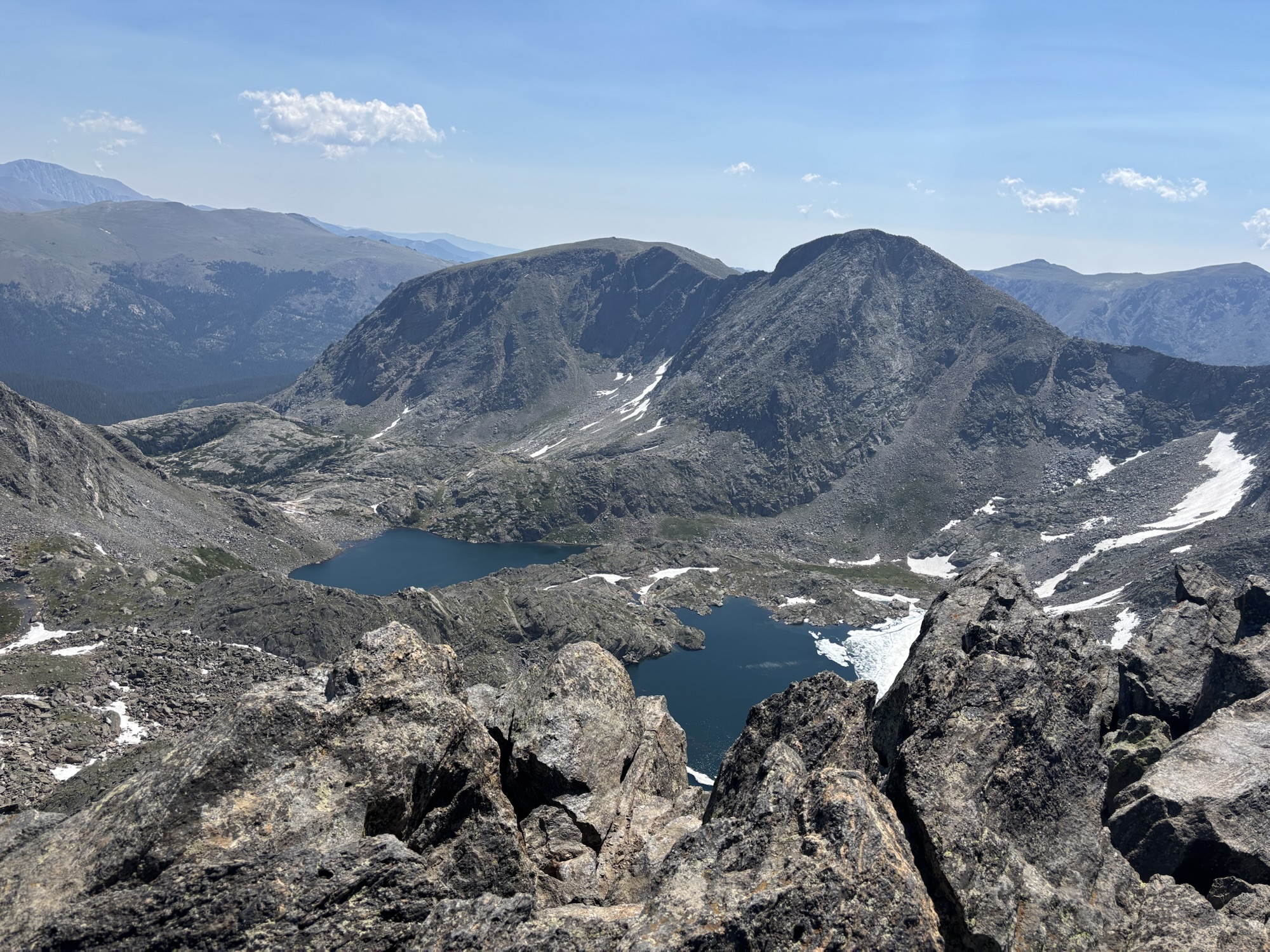
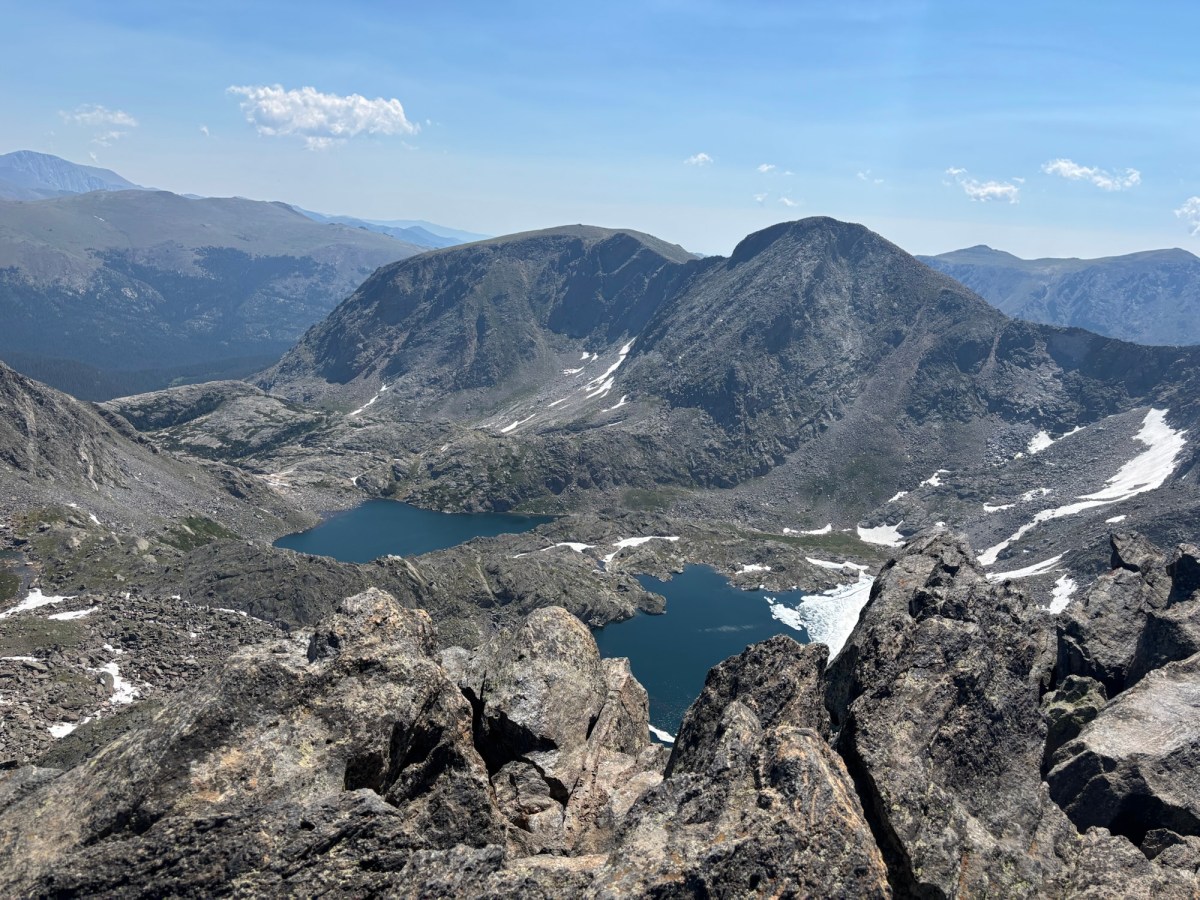
Alpine Lakes from Mount Ida

The 360 degree views of the surrounding mountains were breath-taking, but my favorite view was the emerald lakes and glaciers seen below.

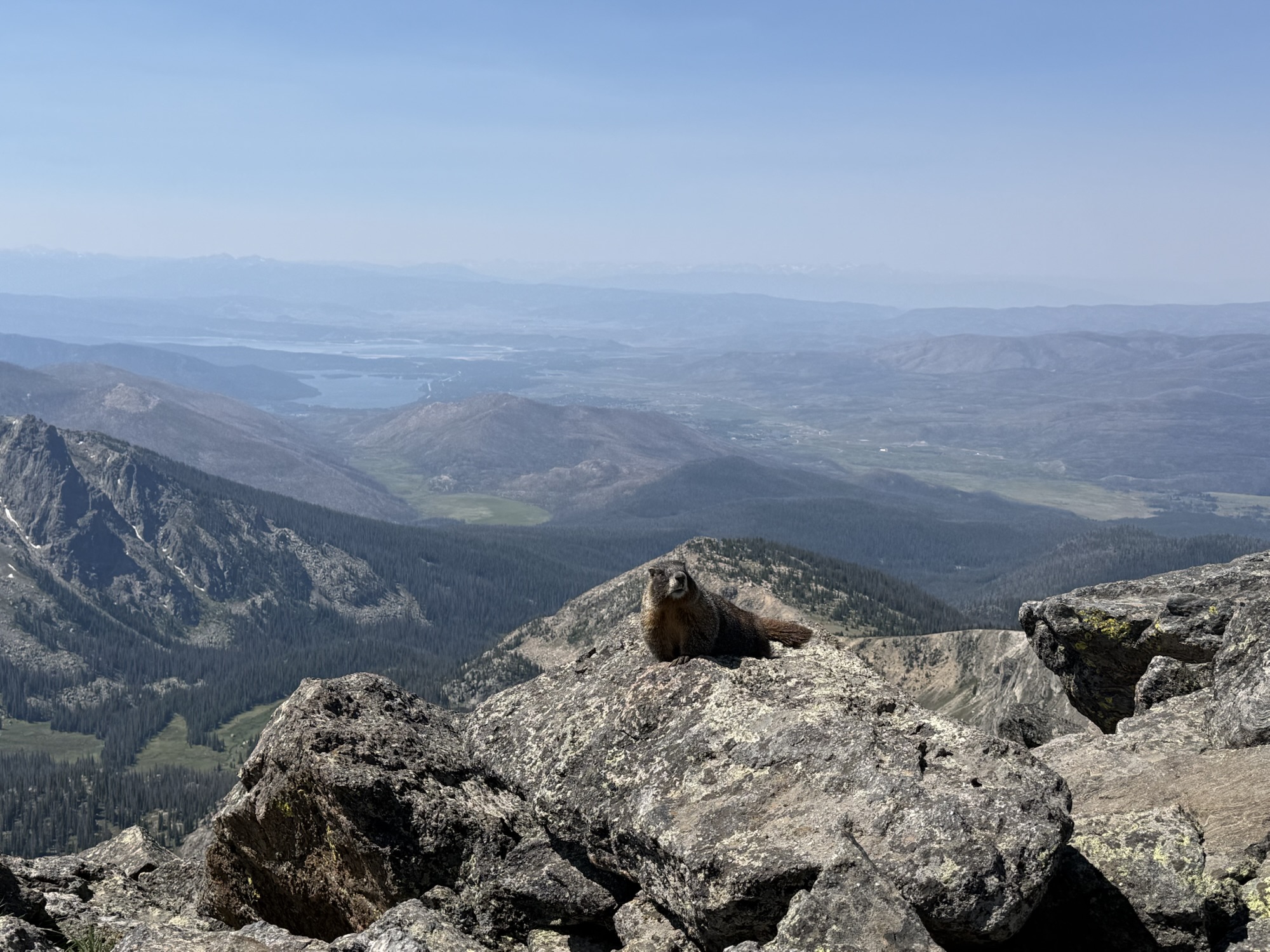
Marmots on Mount Ida
Marmot on Mount Ida

Wildlife on the Tundra

We spotted several elk in the distance and at least twenty marmots on our hike. Other hikers we talked to said they saw a moose on the trail to the Alpine Visitor Center. Beyond animals, I love the delicate wildflowers that live on the tundra.

At the summit, we took pictures and enjoyed a snack before heading back down the mountain. We cruised down the mountain compared to our pace going up. The strong winds made it less desirable to stop along the way. The total distance is close to 10 miles. To reward our effort, we enjoyed Antonio’s Pizza in Estes Park.

Key Takeaways

In summary, this hike is a challenging 10 mile trek that starts above 11,000 ft in elevation and gains over 2,400 feet in elevation. Most of the trail is unprotected in the tundra. Hiking above the tree-line has some risks, but you also enjoy unobstructed views of the surrounding mountains. This well-rated hike could easily become your next favorite.

I hope you enjoyed reading about my first experience hiking Mount Ida. I hope it inspires you to try out a new trail this summer. If you have a suggestion for our next hike in Rocky Mountain National Park (or surrounding area), please leave a note in the comments. We love hiking recommendations!

Celebrating my Husband’s 40th Birthday in Rocky Mountain National Park

I can’t think of a better place to spend a milestone birthday than my husband’s favorite mountain town, Estes Park, CO. His birthday is close to Memorial Day, and right after school ended for the year, so we had many reasons to celebrate and rest after the end-of-school-year sprint. Today I’m going to share the hikes we enjoyed and the wildlife we spotted on our recent trip.

Memorial Day Adventures in Rocky Mountains

Memorial Day feels like the unofficial start to summer, but when you come to the mountains, you can still expect cool air and some snow, especially at higher elevations. We chose our hikes based on their relatively lower elevations and current trail status. Expect rapid weather changes. It’s always best to start hikes in the morning, so you are below treeline before common afternoon thunderstorms.

Hiking Gear to Pack

  • Waterproof hiking boots – after checking trail conditions we determined that we didn’t need extra traction like Yaktrax which can be helpful when the trails have more snow and ice.
  • Hiking socks -I can’t say enough about wool hiking socks. Each time I forget them, I regret my decision. They make such a difference!
  • Adjustable poles – I find trekking poles are helpful on my way back down mountains to absorb impact on my knees.
  • Small hiking backpacks – We packed essentials like snacks, water, and sunscreen.
  • Rain jacket and layers
  • Sunglasses and/or hat
  • Breathable quick-dry fabrics

Deer Mountain

Along with having stunning views and being one of the more moderate summit hikes in the park, Deer Mountain is also one of the best year-round options due to its proximity to the Fall River entrance and the fact that the snow tends to blow off/melt out earlier here than in some of the other popular trailhead areas, such as Bear Lake and Glacier Gorge. It’s roughly 6.2 miles round-trip and gains just over 1,200 feet of elevation.

Choose this hike if you want a family-friendly summit hike with views.

Deer Mountain in Rocky Mountain National Park

Ouzel Falls

Ouzel Falls is located in the Wild Basin area of Rocky Mountain National Park. This area is often less crowded and lower in elevation than the Bear Lake area. The hike to Ouzel Falls begins at 8,500 ft of elevation and gains 950 ft. The total distance is 5.4 miles. Before arriving at Ouzel Falls, the trail passes Copeland Falls and the Calypso Cascades, which are both beautiful destinations on their own.

Ouzel Falls Wild Basin Rocky Mountain National Park

Choose this hike if you love lush forests and waterfalls. If you prefer taking your time and savoring several destinations along the way, this might be your new favorite hike.

Gem Lake

This hike begins at the Lumpy Ridge trailhead. We like the boulders and unique rock formations that give us an excuse to catch our breath and take photos along the way. Plus, the views looking back over Estes Park and the mountain range beyond, wow! This is a moderately strenuous hike because of the steep steps that lead up to the lake, but the short distance of 1.8 miles each way made it pretty attainable.

Gem Lake Rocky Mountain National Park

We were feeling good, so we added the Lumpy Ridge Loop, which made this hike a little over 4 miles.

Twin Owls Rock Formations Rocky Mountain National Park
Twin Owls in Lumpy Ridge

Choose this hike if you want a short, rewarding experience, and pair it with a fun reward like ice cream in Estes Park.

Bierstadt Lake

The trail to Bierstadt Lake is 1.4 miles each way, starting at the Bierstadt Lake Trail Head, located in the Bear Lake Area. If you aren’t familiar, getting a park pass and a timed-entry pass is often necessary throughout the park, but it mostly impacts access to trails in this popular area. We were able to make a reservation the evening before (tickets for the following day are released at 7 pm). More information about the entry system is available on Recreation.gov.

The trail up to Bierstadt Lake gains 566 ft. of elevation along several switchbacks. You can add on extra mileage by walking around the lake, which we recommend to get the best views of Flattop Mountain and Hallett Peak.

Bierstadt Lake in Rocky Mountain National Park
Bierstadt Lake

Choose this hike if you want it all – views, an alpine lake, and towering pines.

Twin Sisters

After several days acclimating to the elevation and hiking 4-6 mile hikes, we decided Twin Sisters would be a great grand finale hike on my husband’s birthday. Twin Sisters trail head is located six miles south of Estes Park on Highway 7.

Round trip, it is about 7 miles reaching 11,413 ft of elevation on the West Summit, a gain of 2,253 ft. The East Summit is slightly higher, but we decided to shorten the trip this time by going up just one side. 

Twin Sisters Rocky Mountain National Park
Twin Sisters

Choose this hike if you feel ready for a challenge and as a warm-up to harder summit hikes like Flattop Mountain and Hallett Peak.

Shorter Hikes

Besides the hikes mentioned, we also enjoyed strolls around Lily Lake, Sprague Lake, and the Estes Park Riverwalk in downtown.

Wildlife Spotting

In this post, I want to share a few of the animals we spotted on our latest trip, rather than a full list of all the animals you might see in the park and when/where you might spot them. So, if you have any wildlife tips or questions, please post in the comments.

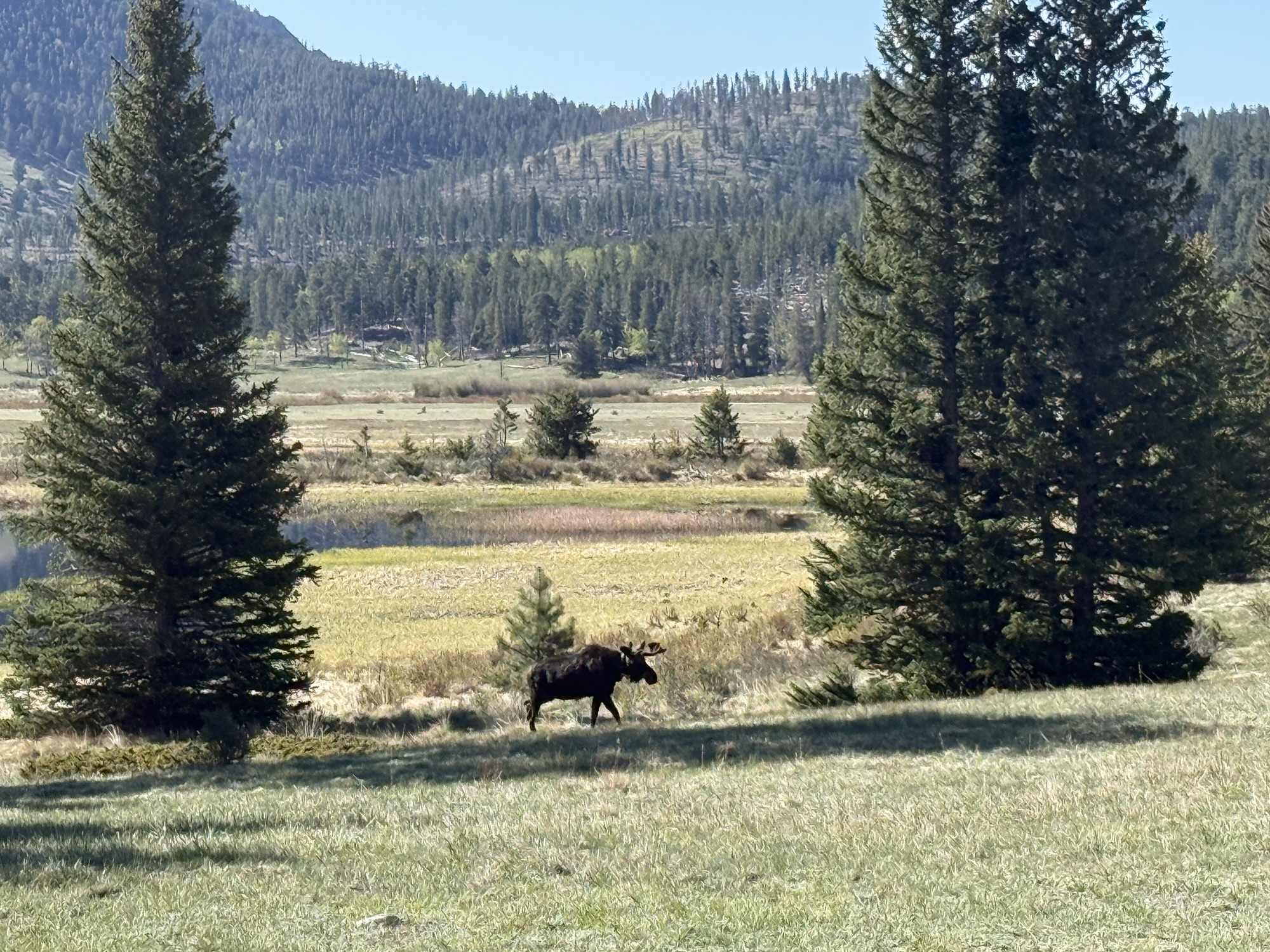
Moose

On this trip we spotted several moose, including this guy near Sheep Lakes where there is a pull-off and no hiking is required.

Moose Near Sheep Lake in Rocky Mountain National Park
Moose in Rocky Mountain National Park

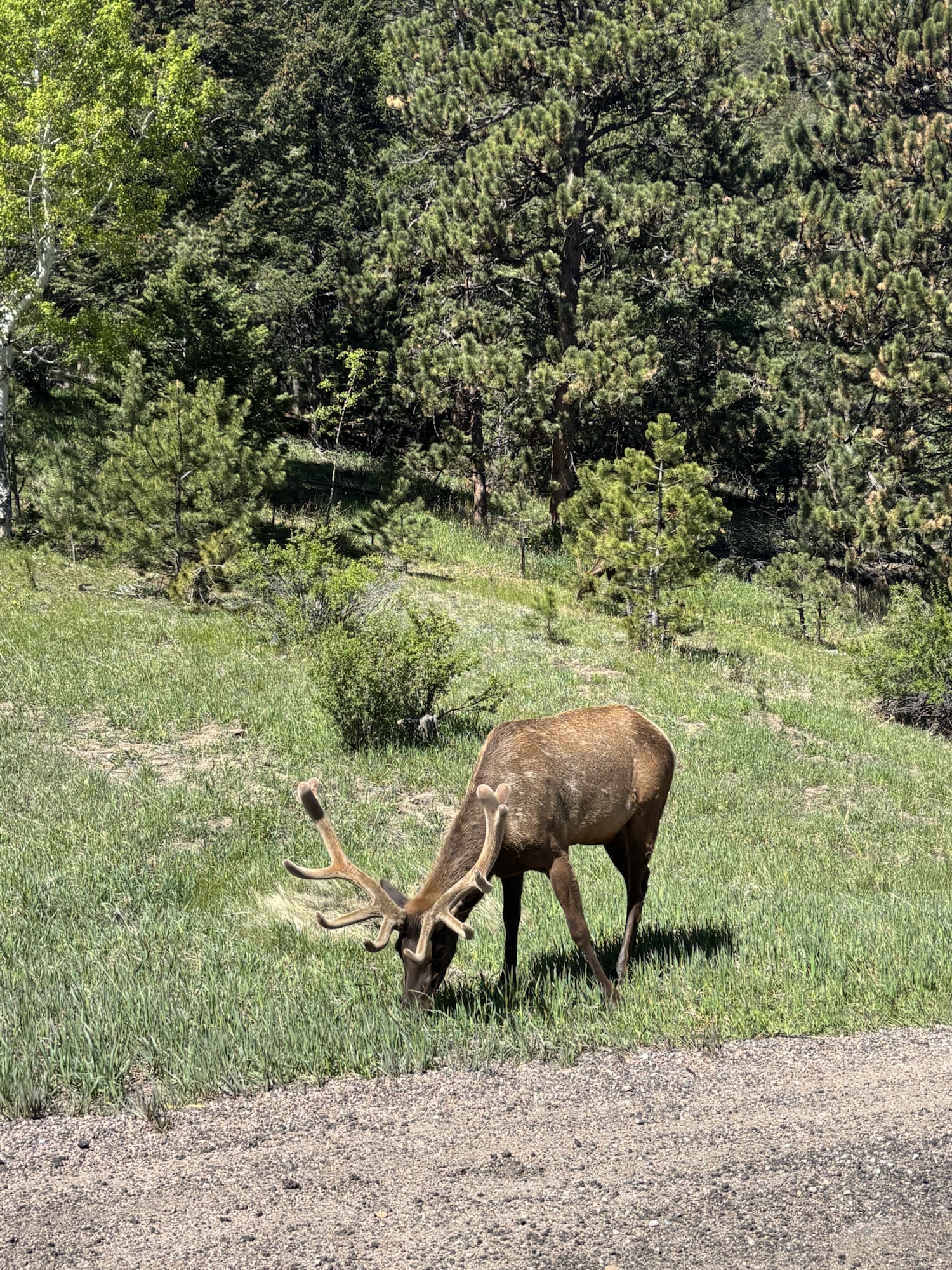
Velvet Elk

I think elk are fascinating animals, and you may notice this time of year their antlers look fuzzy. Why? Here are a few fun facts I found on the US Fish and Wildlife Service’s website:

  • Antlers are the fastest bone growth in the world
  • Immature antlers are covered in skin with a short, dense fur called velvet
  • Elk antlers grow about an inch per day
Elk Rocky Mountain National Park
Elk in Rocky Mountain National Park

Salamanders

Another cool animal species we spotted was the tiger salamander in Lily Lake. My daughters think they look like axolotls. I found an interesting article about the amazing amphibians on the national park’s website.

Final Thoughts

I love that my husband wanted to spend his 40th birthday doing something he loves (hiking) in a beautiful and meaningful place with our family. It’s hard to capture the silliness and joyful energy that my daughters had during our trip, but it felt so healthy and refreshing after a busy spring.

I hope your summer is off to a great start, too. I would love to hear about your favorite hikes! Please share what hike we should try on our next trip in the comments.

Discover Mount Audubon: Trails and Tips

Mount Audubon is a Colorado 13er with unbelievable mountain views and beautiful wildflowers. The trail is roughly 8 miles round trip including the scramble up and exploration of the top. The hike gains 2,680 ft. in elevation.

Mount Audubon Colorado 13er

When to hike Mount Audubon?

Our family recently hiked Mount Audubon for the first time on Monday, July 7th. I’m being specific because this is a popular trail, so we picked Monday to avoid some weekend crowds, and we went in early July after checking trail conditions. The high elevation parking lot isn’t open before July.

We started our hike around 7 am so that we could get to the summit before noon. We enjoyed bright blue skies and clear views. It’s important to start early because much of this hike is above the tree line. Afternoon storms rolled in soon after we finished our descent.

Family hiking Colorado 13er

Tips for Hiking Mount Audubon

We purchased a parking reservation on recreation.gov for the Mitchell Lake trailhead which is located within the Brainard Lake Recreation Area near Ward, Colorado. Hikers follow the Beaver Creek Trail to the Mount Audubon Trail and then spot cairns leading to the summit. Loose rocks make good hiking boots a must.

hiking Mount Audubon in Colorado

Is Mount Audubon Kid or Dog-Friendly?

We took our 10-year-old and 8-year-old daughters on this hike. This was their second 13er this year. Dogs are allowed, but we elected not to bring our Australian Shepard, although we saw several dogs making the journey.

The hardest part for me was hiking back down through rocky terrain. To take pressure off knees and ankles, I highly recommend trekking poles, which I sadly forgot to bring. Despite the challenge (or perhaps because of it), my heart overflowed with gratitude for the time we had together as a family and for the beautiful scenery that I am so lucky to witness. I’m aware that the physical ability to make this hike is a blessing worth treasuring.

yellow Wildflowers blooming along the trail up to Mount Audubon in Colorado.

We typically get the girls trail tags when they complete new hikes. This hike isn’t in Rocky Mountain National Park, so we couldn’t find a badge to add to their collection – bummer! Instead, we celebrated our long hike with a family dinner at Poppy’s Pizza in downtown Estes Park and topped it off with a scoop of ice-cream at Hayley’s.

I’d love to hear if you’ve hiked in this area and what you thought. And do you have fun ways that you celebrate long hikes? Please share in the comments.