
My puppy, Luna, woke me up before the sun, so this morning as I sip my much-needed coffee, I want to share about our most recent hike up Mount Ida in Rocky Mountain National Park, Colorado with you.
Rocky Mountain National Park
You can skip this section if you are already knowledgeable about RMNP, but for the first-time traveler, or the “I haven’t been here in 10 years” couple, Rocky Mountain National Park is located about an hour and a half from Denver, Colorado. You can expect big mountain views and to see wildlife including elk, deer, and even moose. You can also expect crowds, especially during the peak summer and autumn seasons. National Park passes are required to gain entry into the park. Timed-entry permits are also required for certain times and areas of the park like the popular Bear Lake Road.
Click here for more information about Fees and Passes for Rocky Mountain National Park.
The Best Hike in Rocky Mountain National Park
What is the best hike in Rocky Mountain National Park? My husband informed me that Mt. Ida was rated 4.9 out of 5 stars on the All Trails app, which probably makes this hike one of the best for many people. After our experience yesterday, I can see why. The panoramic views at the top make the nearly 10 mile round-trip trek worth it. We also noticed that the hike was much less crowded than other hikes we’ve enjoyed. There are also real challenges with this hike which would make it less than ideal for some hikers. I’ll explain those challenges in this post too.
The “Great Divide”
When we visit Rocky Mountain National Park, we stay in Estes Park, Colorado. The hike to Mt. Ida begins at Milner Pass, so we drove up and over Trail Ridge Road to get to the trailhead. We left our house right at 7am and drove 50 minutes to the trailhead via the Fall River park entrance. We were lucky to find a spot, (usually we would aim to leave by 6am). With an early start, we didn’t need to procure a timed-entry permit nor did we have a long line at the park entrance.
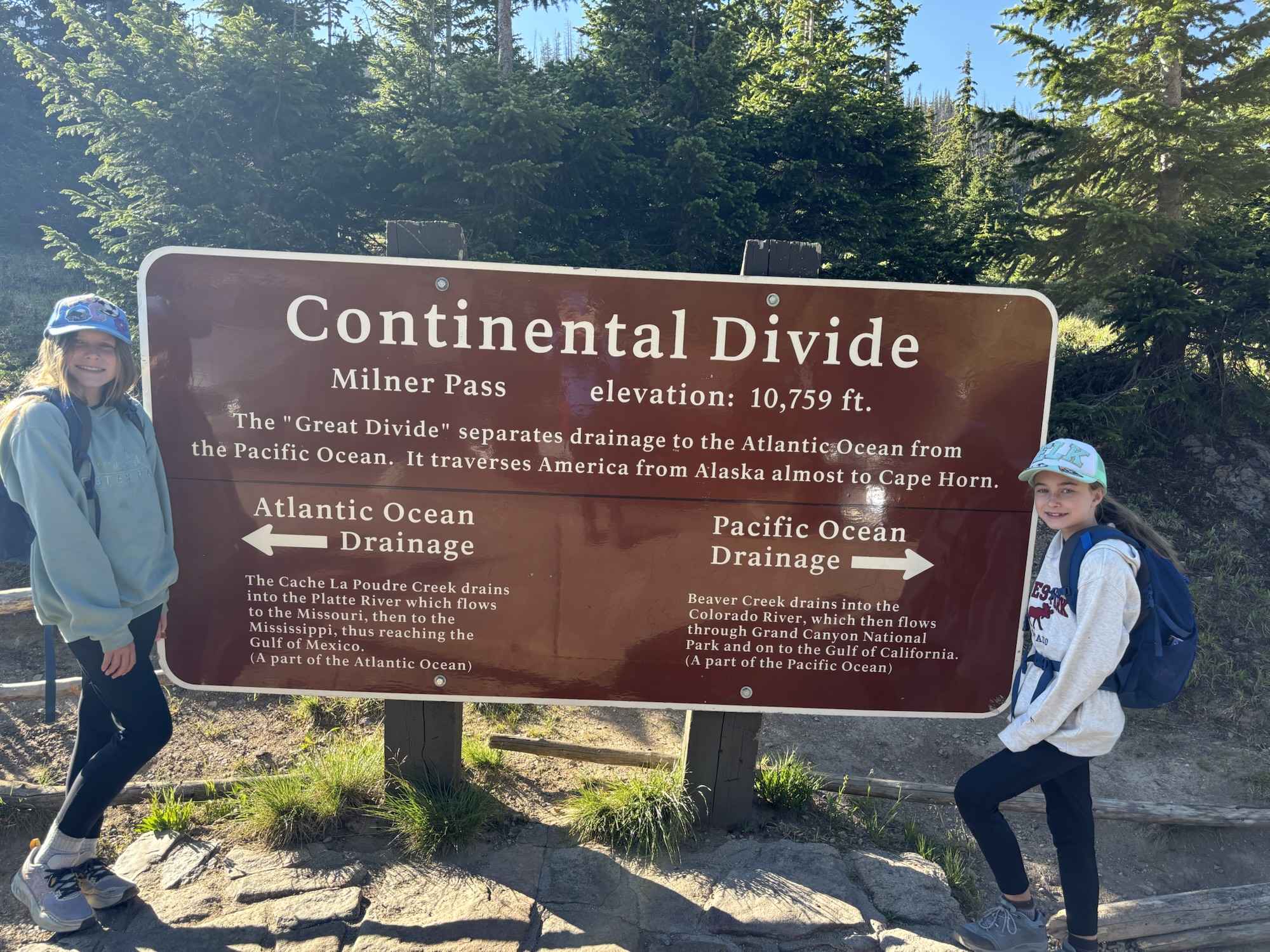
Milner Pass marks the Continental Divide, also known as the “Great Divide”, which according to park signage is the point where water drainage separates to eventually travel to the Atlantic Ocean and the Pacific Ocean.
Tip: Take advantage of the bathrooms near the parking lot before heading up on the tundra.
Hiking the Ute Trail
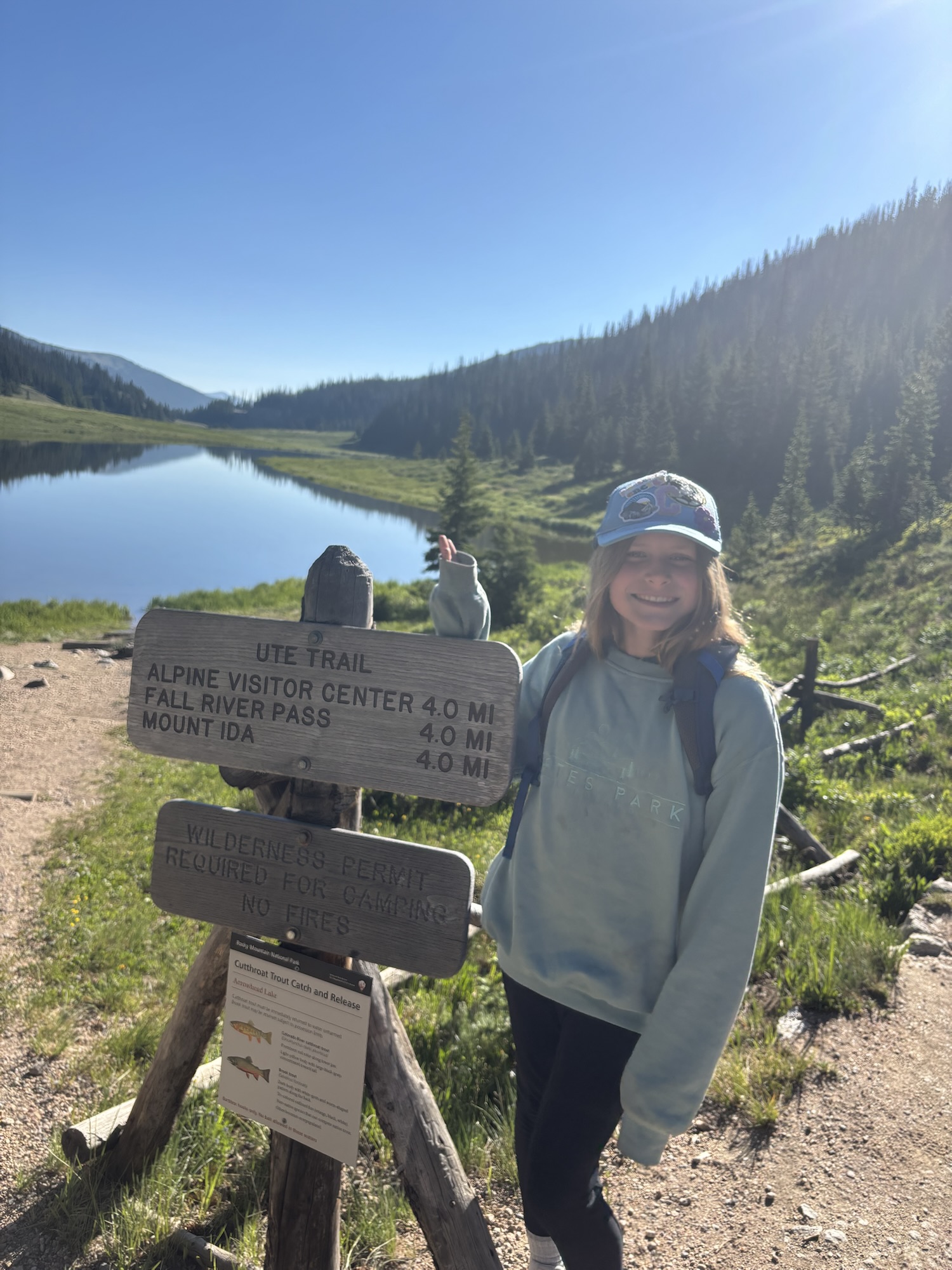
Next to the parking lot, you will see beautiful Poudre Lake and signage for the Ute Trail. You can follow the Ute Trail up to the Alpine Visitor Center or depart from it to Mount Ida. At Poudre Lake the air feels crisp and thin. This hike begins at 10,755 ft of elevation. Because of the high starting elevation, I would not recommend this hike to anyone as a first-day hike. It’s better to start with shorter, lower elevation hikes to acclimate.
Want recommendations for lower-elevation hikes? Here is a list from a previous post: Lower Elevation Hikes in Rocky Mountain National Park.
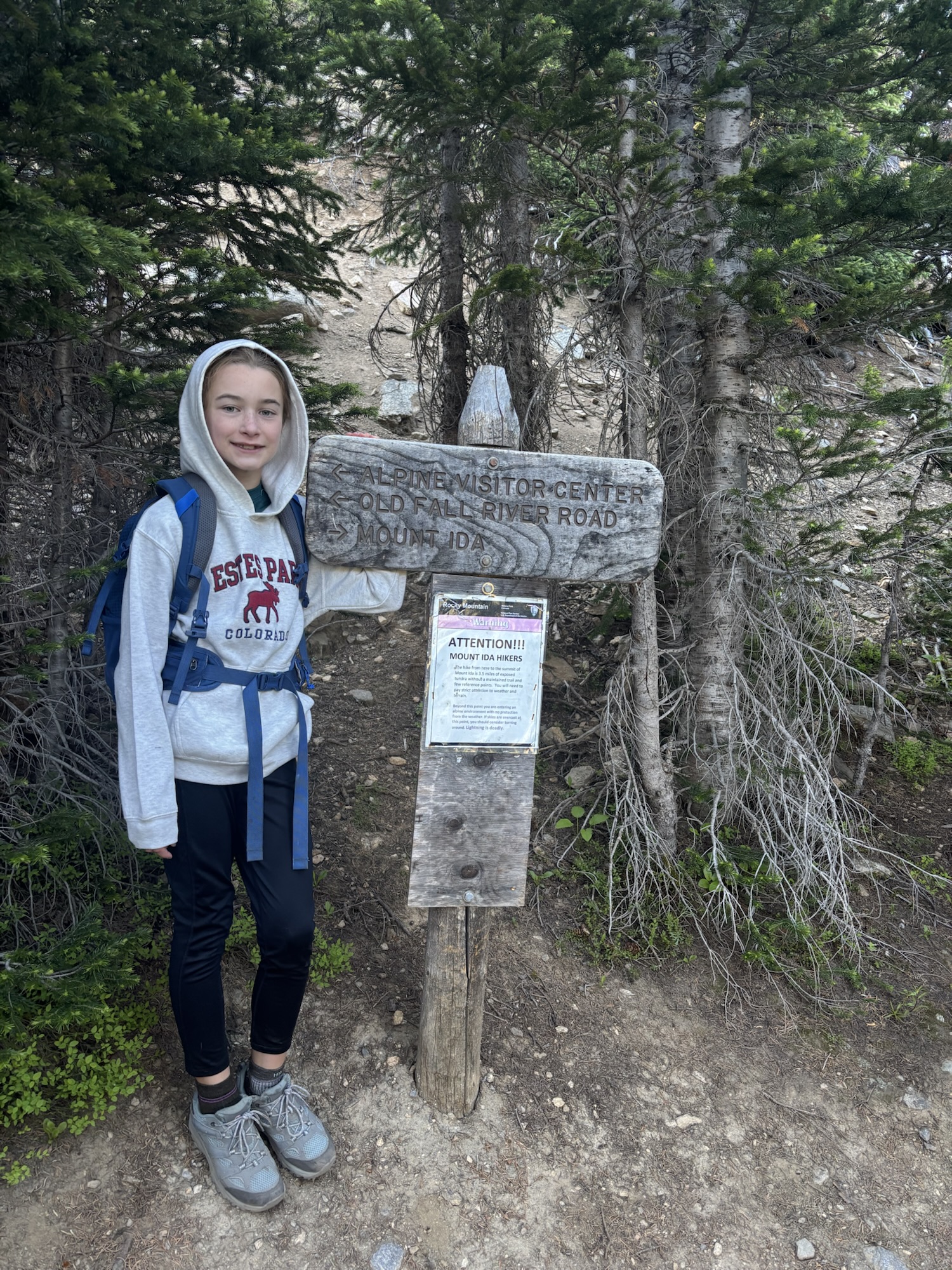
The first mile or so winds steadily up hill through forest before the trail splits. Signage points to the Alpine Visitor Center or Mount Ida. This is the last official National Park sign you will see along the trail. We veered right to follow the trail leading up to Mount Ida after noting the warning that much of the trail is above tree-line. The tundra can be windy, sunny, cold, and dangerous in a lightning storm.
We packed extra gear including rain coats, warm hats, water, and sunscreen to help with the conditions. We also paid attention to the weather. We lucked out with a sunny and mostly clear morning.
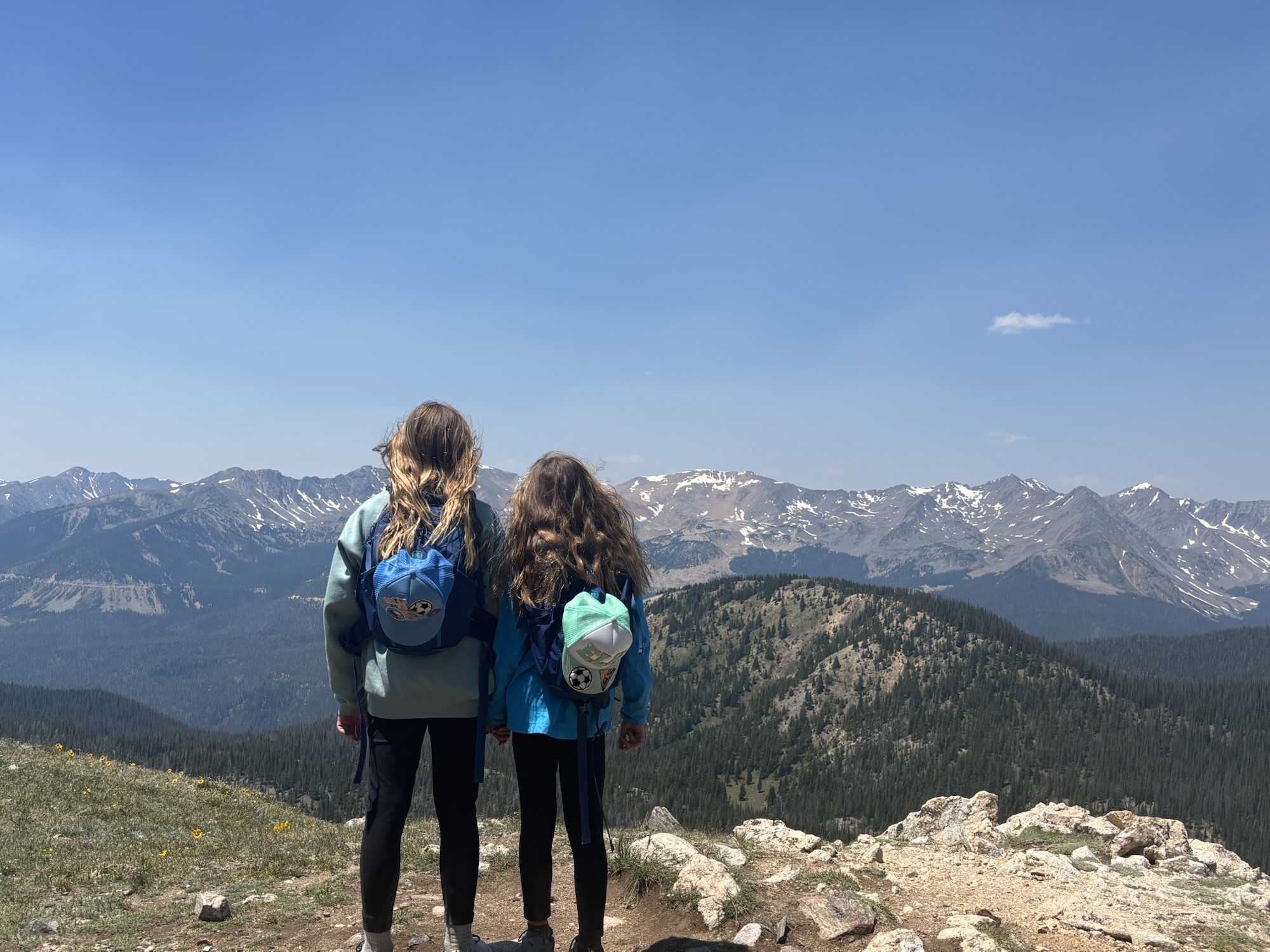
We’ve been taking our girls hiking in the mountains each summer since they were infants. It hasn’t always been easy, but now that they are 11 and 9-years-old, they are leading the way on our hikes with energy and enthusiasm. It’s getting harder for me to keep up!
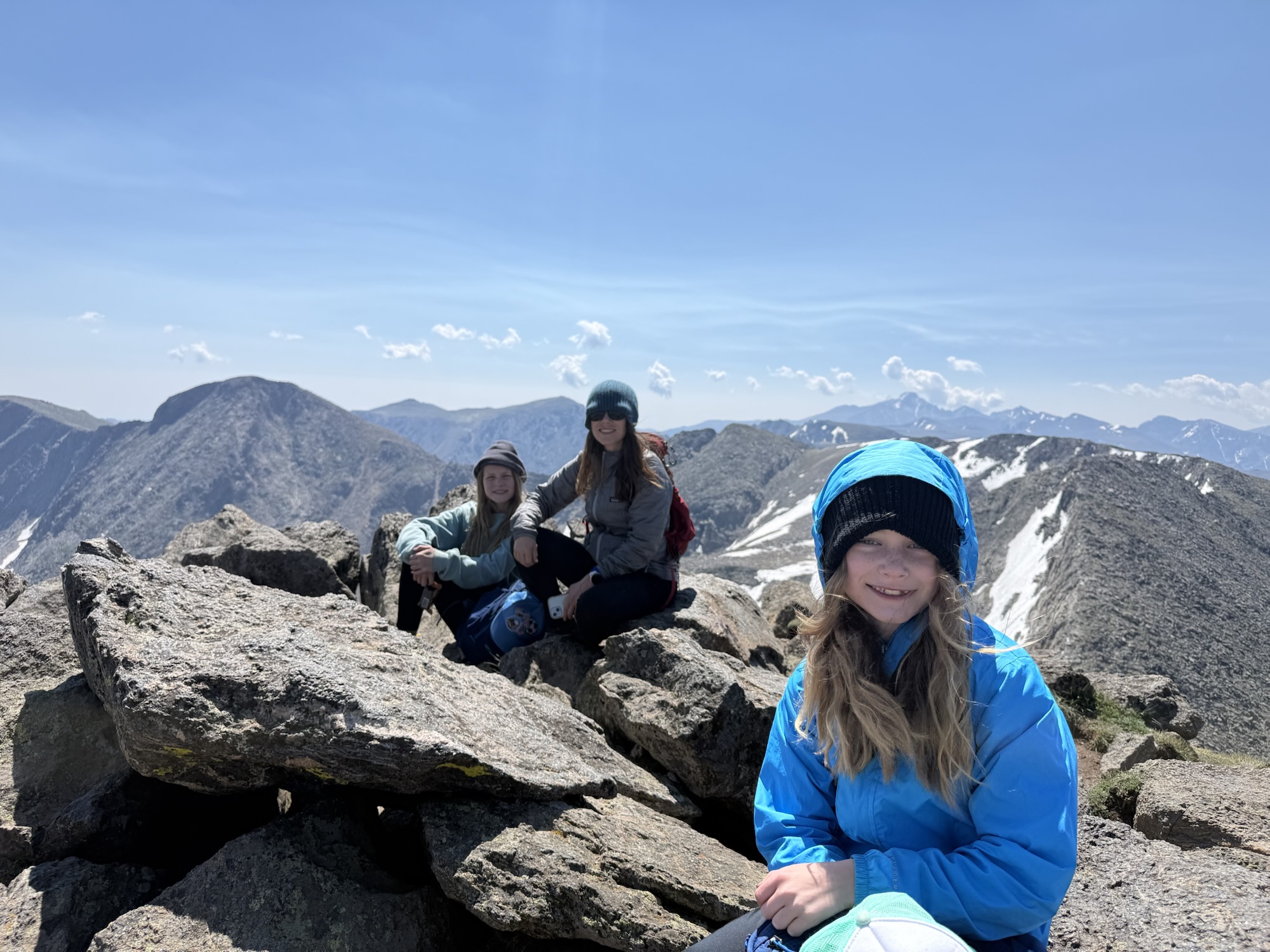
Most of the hike is a distinct, easy to follow trail, but towards the top, there is a bit of a scramble and way-finding. It felt comparable to Twin Sisters Peak which we climbed earlier in the season. This hike gains a total of 2,400 ft in elevation. The summit sits at 12,881 ft.
Want additional details? Check out this helpful post from Colorado Mountain Club or on RockyMountainHikingTrails.com.
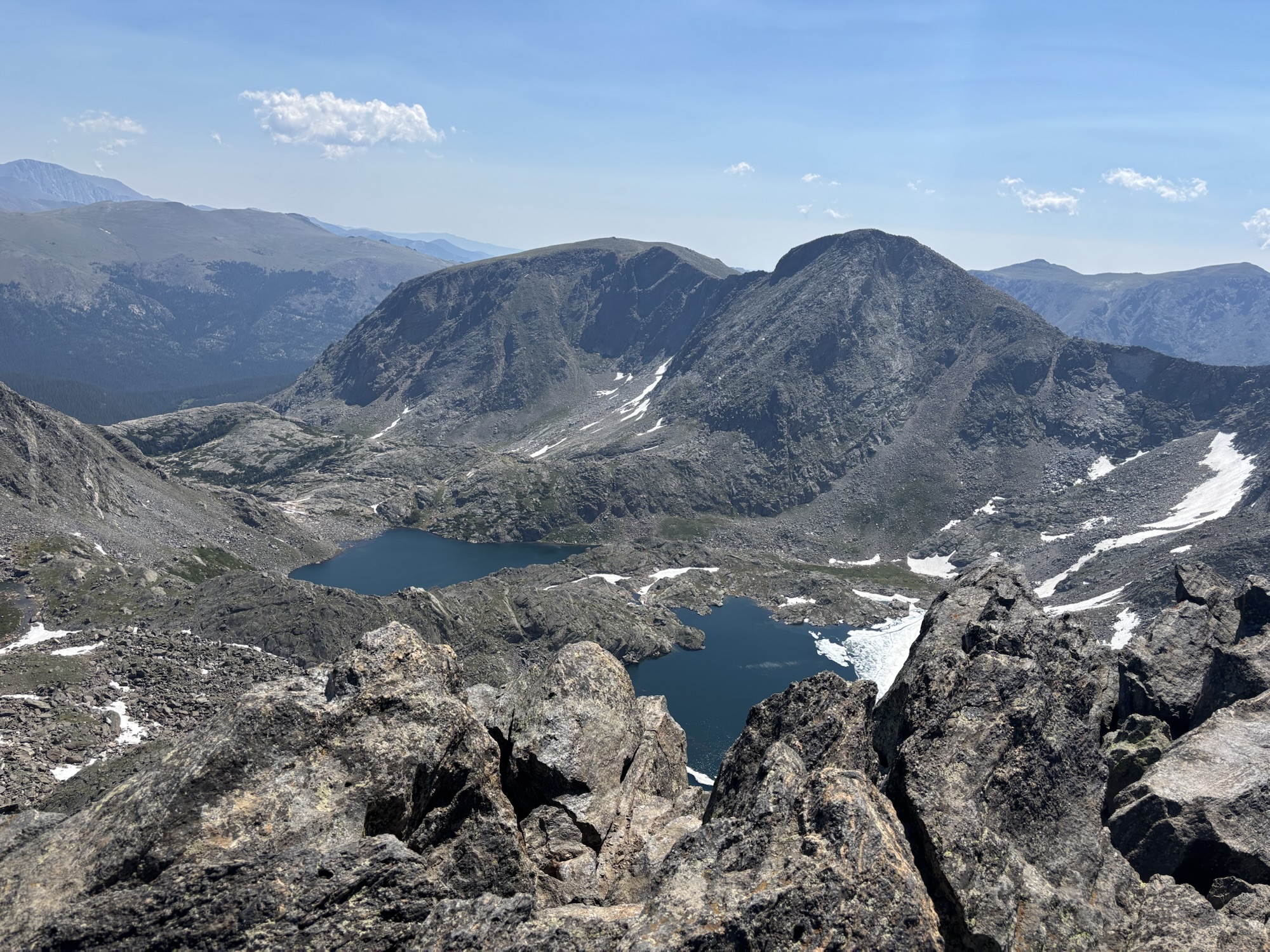
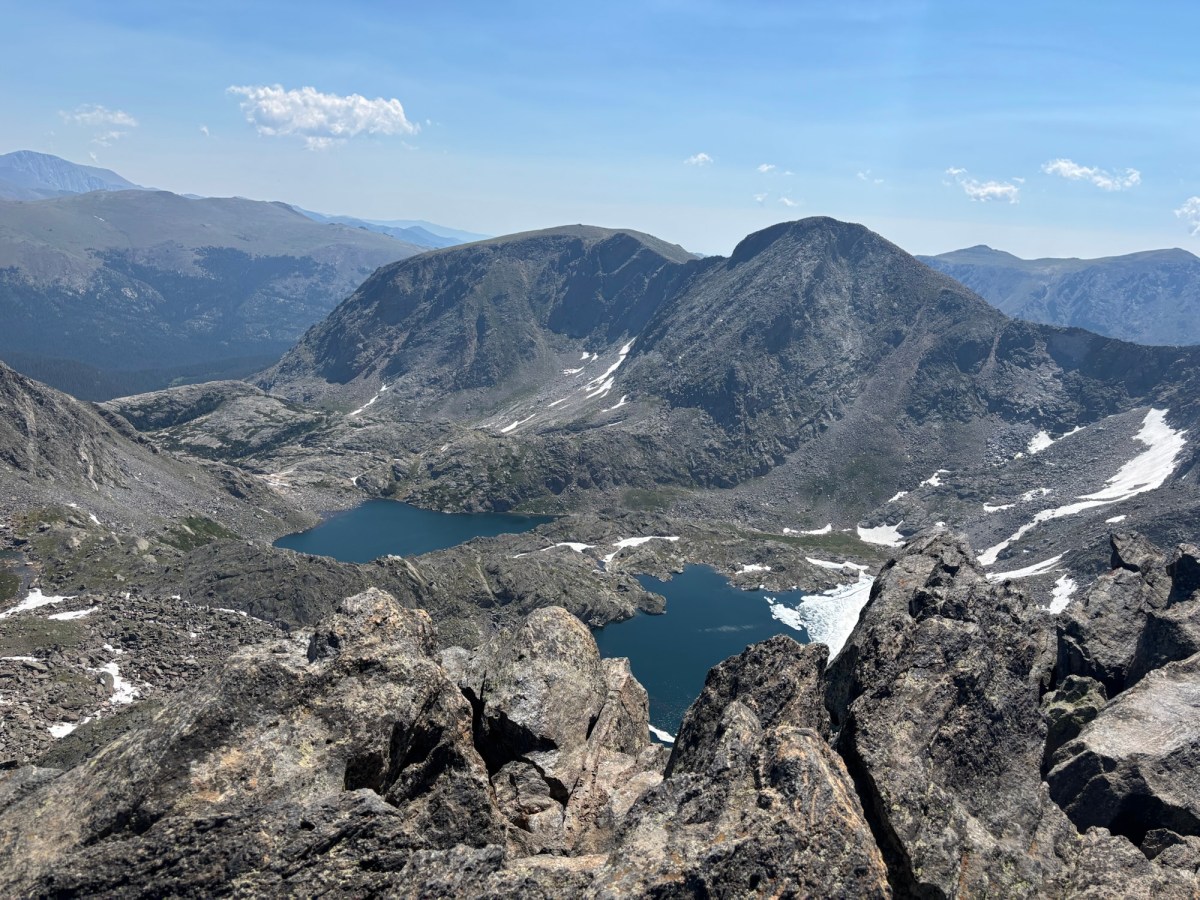
The 360 degree views of the surrounding mountains were breath-taking, but my favorite view was the emerald lakes and glaciers seen below.
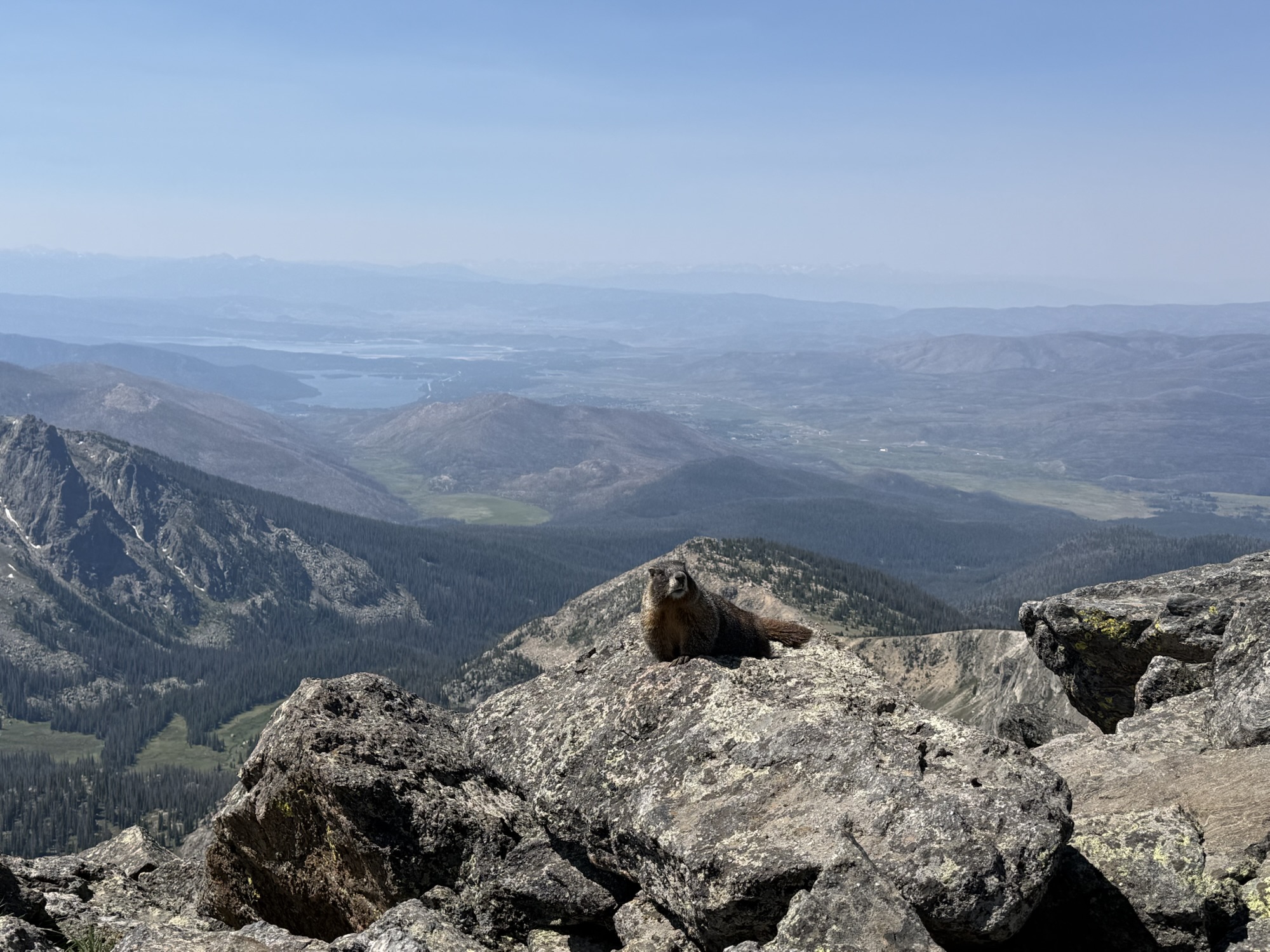
Wildlife on the Tundra
We spotted several elk in the distance and at least twenty marmots on our hike. Other hikers we talked to said they saw a moose on the trail to the Alpine Visitor Center. Beyond animals, I love the delicate wildflowers that live on the tundra.
At the summit, we took pictures and enjoyed a snack before heading back down the mountain. We cruised down the mountain compared to our pace going up. The strong winds made it less desirable to stop along the way. The total distance is close to 10 miles. To reward our effort, we enjoyed Antonio’s Pizza in Estes Park.
Key Takeaways
In summary, this hike is a challenging 10 mile trek that starts above 11,000 ft in elevation and gains over 2,400 feet in elevation. Most of the trail is unprotected in the tundra. Hiking above the tree-line has some risks, but you also enjoy unobstructed views of the surrounding mountains. This well-rated hike could easily become your next favorite.
I hope you enjoyed reading about my first experience hiking Mount Ida. I hope it inspires you to try out a new trail this summer. If you have a suggestion for our next hike in Rocky Mountain National Park (or surrounding area), please leave a note in the comments. We love hiking recommendations!

